Trying to choose the right Westford neighborhood for your family? You’re not alone. With a variety of areas, a well-regarded public school system, and several commuting options to Greater Boston, it can be hard to compare your choices with confidence. This guide gives you a practical way to evaluate neighborhoods and schools side by side, with clear tips on what to verify before you buy. Let’s dive in.
How Westford areas differ
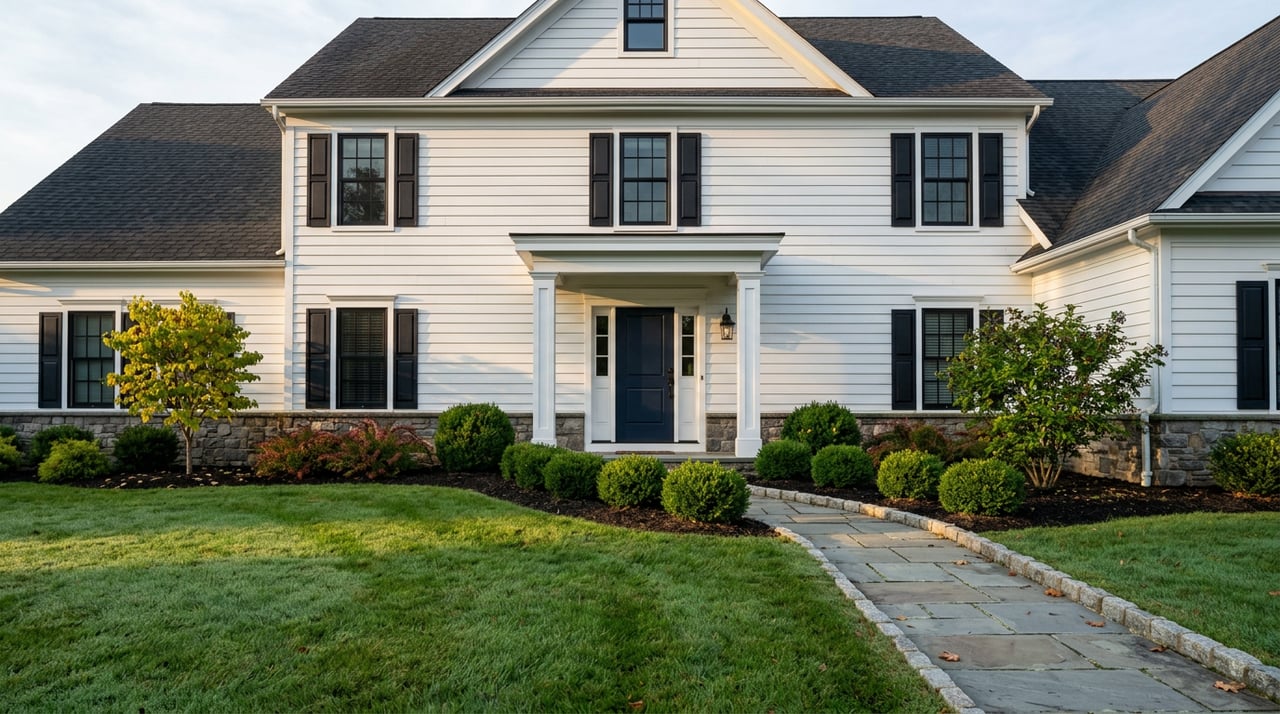
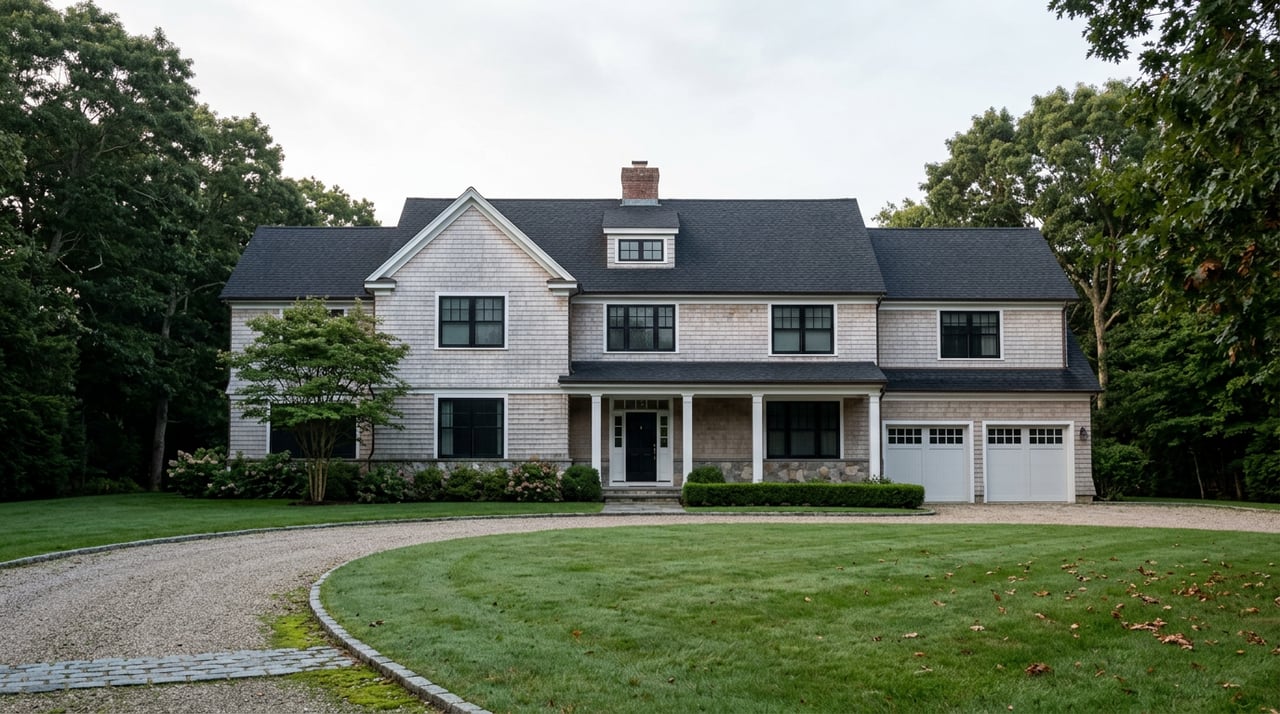
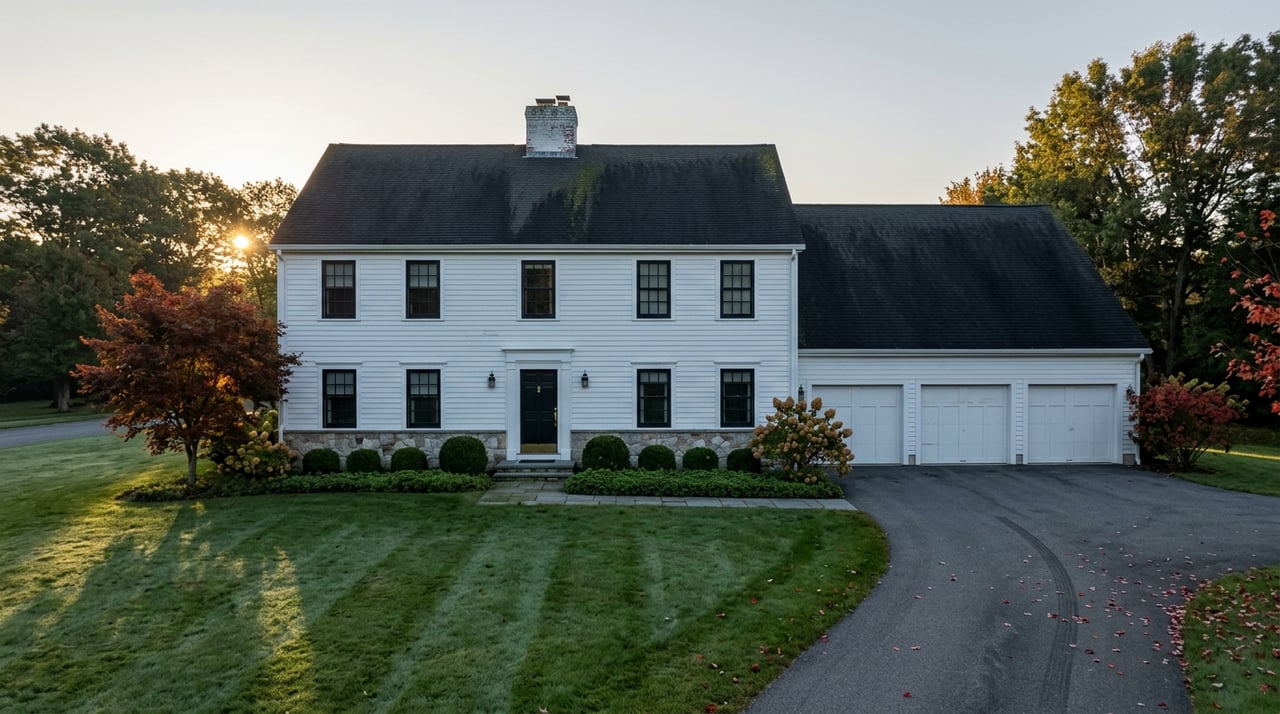
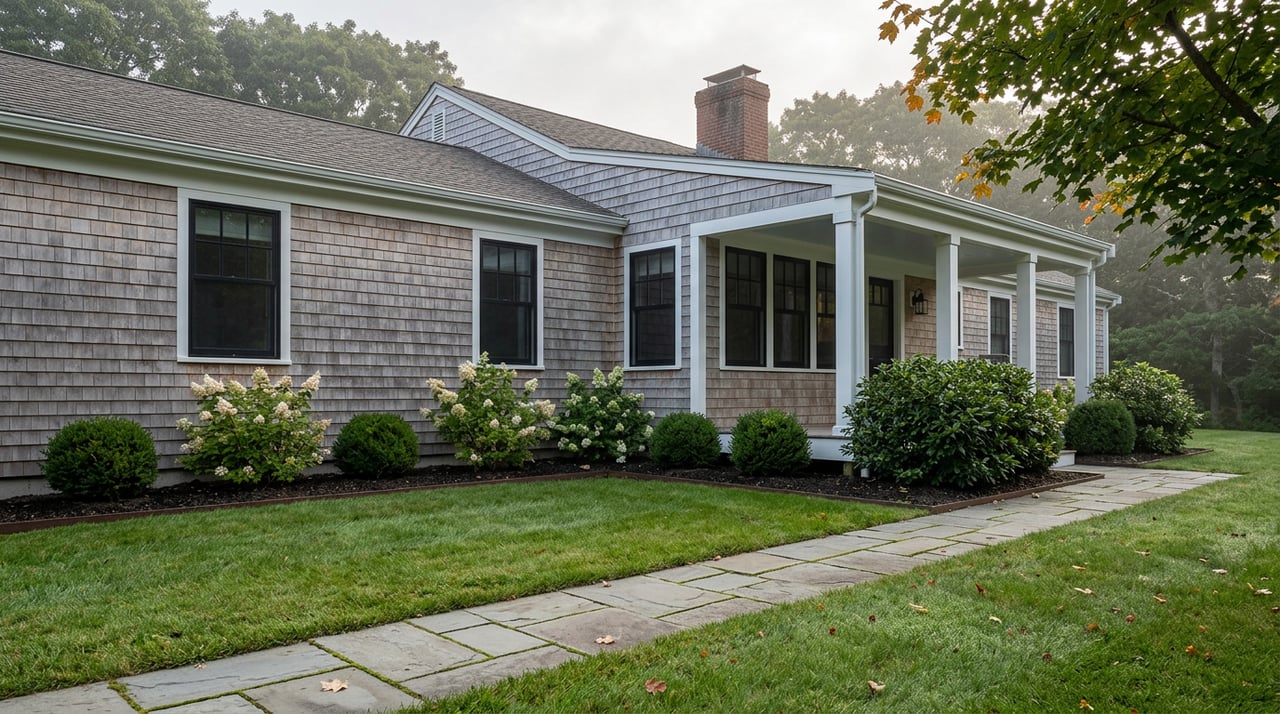
Westford combines a historic town center, former mill villages, classic post‑war streets, and newer cul‑de‑sacs. You’ll find everything from Victorian-era homes with character to modern colonials with open floor plans. What often separates one area from another are lot sizes, age and style of homes, access to major roads, and elementary school assignment.
Elementary school assignment is neighborhood-based within Westford Public Schools, while middle and high school operate at the district level. Because boundaries and feeder patterns can change, always check the district’s current information on the Westford Public Schools website.
Neighborhood profiles
Westford Center
- What you’ll like: A historic New England setting near the town common, library, and civic buildings. You can attend community events and reach small shops and services with short drives or even on foot from some streets.
- Housing snapshot: Older colonials and Victorian-era homes, plus some infill. Lots can be smaller than in outer neighborhoods, which may mean less yard maintenance.
- Schools snapshot: Families in or near the center typically attend a neighborhood elementary school within town. Confirm the exact assignment with the district map and enrollment office.
- Commute and access: Central location for local errands. Regional highway access is a short drive, depending on which side of the center you live on.
Forge Village
- What you’ll like: A mill village atmosphere with historical character and a close-knit feel around the village center. You may find access to trails or small commercial nodes.
- Housing snapshot: Older homes with charm. Lot sizes and renovation needs vary, so plan due diligence on systems and updates.
- Schools snapshot: Elementary assignment follows district maps. Verify the school and bus routes with the district before you rely on proximity.
- Commute and access: Convenient to nearby suburban job centers to the west and north. Highway access is manageable for regional commutes.
Nabnasset and North Westford
- What you’ll like: A more wooded, country feel in parts of the north, including areas around Nabnasset Lake and wetlands. Many buyers choose it for larger yards and privacy.
- Housing snapshot: Larger single‑family homes and later suburban subdivisions, with some properties on generous lots.
- Schools snapshot: Part of Westford Public Schools with elementary assignment based on the district map. Double-check the current boundaries and bus routes.
- Commute and access: Commute times vary by destination. If you work in Boston or the inner suburbs, plan drive-and-rail or highway routes and test them at your typical travel times.
Graniteville and the west side
- What you’ll like: A mix of mid‑century homes and subdivisions from the 1970s to 1990s. It can offer a balanced trade-off between space and convenience to nearby towns.
- Housing snapshot: Ranches, capes, and colonials, plus established subdivisions with mature trees.
- Schools snapshot: Elementary feeds follow the district’s assignment maps. Confirm walking and busing options if that matters to your routine.
- Commute and access: Good for those working in the northwestern suburbs. Highway access can be straightforward depending on your street.
Newer subdivisions
- What you’ll like: Planned neighborhoods with modern layouts, attached garages, and features families appreciate, like open kitchens and multiple baths.
- Housing snapshot: Post‑1990 and 2000s construction with larger homes and cul‑de‑sac clusters. Ask about any HOA rules or fees.
- Schools snapshot: Served by Westford Public Schools with neighborhood-based elementary assignment. Verify the assigned school and anticipated bus routes with the district.
- Commute and access: Designed for drivers, with quick access to major roads from many developments. Test your specific drive to work and after‑school activities.
Schools: what to compare
Westford Public Schools includes multiple elementary schools, one or more middle schools, and Westford Academy, the town high school. For an up‑to‑date list of schools, program offerings, and calendars, start with the Westford Public Schools website. To understand performance and trends, review district and school profiles on the Massachusetts DESE profiles site.
When you evaluate schools, look at:
- Enrollment and grade spans
- Student‑teacher ratios and average class size
- MCAS proficiency and progress indicators on DESE report cards
- Graduation rate and advanced coursework options at the high school
- Extracurricular and athletic offerings, plus any specialized programs
- Transportation, walking zones, and bus routes by neighborhood
- Capacity, building projects, and any updates from the district
Important note: School boundaries and programs can change. Always confirm the current elementary assignment, feeder patterns to middle school, and transportation details with the district before you make a decision.
Commute and transit overview
Westford sits northwest of Boston, with residents commuting to the city and to suburban job centers. Access to state routes and interstates shapes neighborhood appeal. Because drive times vary by destination and time of day, use live tools and test your route during typical commute windows.
Public transit is not located inside Westford at scale. Many residents drive to commuter rail stations in neighboring towns. For options and schedules, check the MBTA Commuter Rail overview. For highway conditions and construction updates, consult the Massachusetts Department of Transportation.
House and property factors to weigh
Beyond schools and commute, compare the features that affect day‑to‑day living and long‑term value.
- Lot size and yard use: Larger lots offer privacy and play space. Smaller lots near the center can mean less maintenance and closer proximity to services.
- Age and condition of systems: Historic and mid‑century homes may need electrical, insulation, or window upgrades. Newer homes may have modern systems but review maintenance schedules.
- Sewer vs. septic: Confirm the utility type and any septic size limits that could affect additions or finished basements. The town’s records and health department can help you verify.
- Zoning and conservation: Check setbacks, lot minimums, and any wetlands or floodplain overlays that might affect future projects. The Town of Westford and MassGIS are useful starting points.
- Taxes and services: Review assessed values, the current tax rate, and what services are included. The assessor’s office can provide sample bills and past property history.
Quick buyer checklist
Use this list when you tour homes across different parts of Westford:
- Assigned elementary school and bus routes, verified with the district
- Commute time to work and after‑school activities, tested during peak hours
- Lot size, yard usability, and street characteristics for walking and biking
- Age and condition of roof, windows, heating/cooling, and insulation
- Sewer or septic status, and any limits on expansion
- Zoning constraints, conservation areas, and permit history
- Estimated property taxes and recent assessment trends
- Nearby parks, fields, libraries, and community amenities you will use
Where to verify details
How to narrow your search
Start by ranking what matters most to you: elementary school assignment, commute, lot size, or home style. Next, shortlist two or three areas that fit your top priorities. Visit at different times of day to gauge traffic, road noise, and activity. Then review district and town resources to confirm the details that could affect your decision.
If you want a seasoned, local perspective paired with a calm, step‑by‑step approach, reach out. The St. Martin Team has helped families compare Westford neighborhoods for decades and can guide you through school verification, property due diligence, and offer strategy. Connect with Colleen Murphy to talk through your goals and map a focused plan.
FAQs
How do Westford elementary assignments work?
- Elementary schools are neighborhood-based. Always confirm a home’s assigned school and bus routes with the district’s current information on the Westford Public Schools website.
What is Westford Academy in the district?
- Westford Academy is the town’s public high school. You can review programs and performance on the Westford Public Schools site and the Massachusetts DESE profiles.
Which Westford areas offer larger lots?
- Northern and western sections, including parts of Nabnasset and the west side, often feature larger lots. Verify zoning and parcel details with Town of Westford and MassGIS resources.
Is commuter rail available in Westford?
- Westford does not host a major commuter rail station. Many residents drive to nearby towns’ stations. Check options and schedules on the MBTA Commuter Rail site.
What should I verify about a septic system?
- Confirm whether a property uses septic, the system’s capacity, and any limits on additions. The town’s health department and property records can help you verify before you finalize plans.