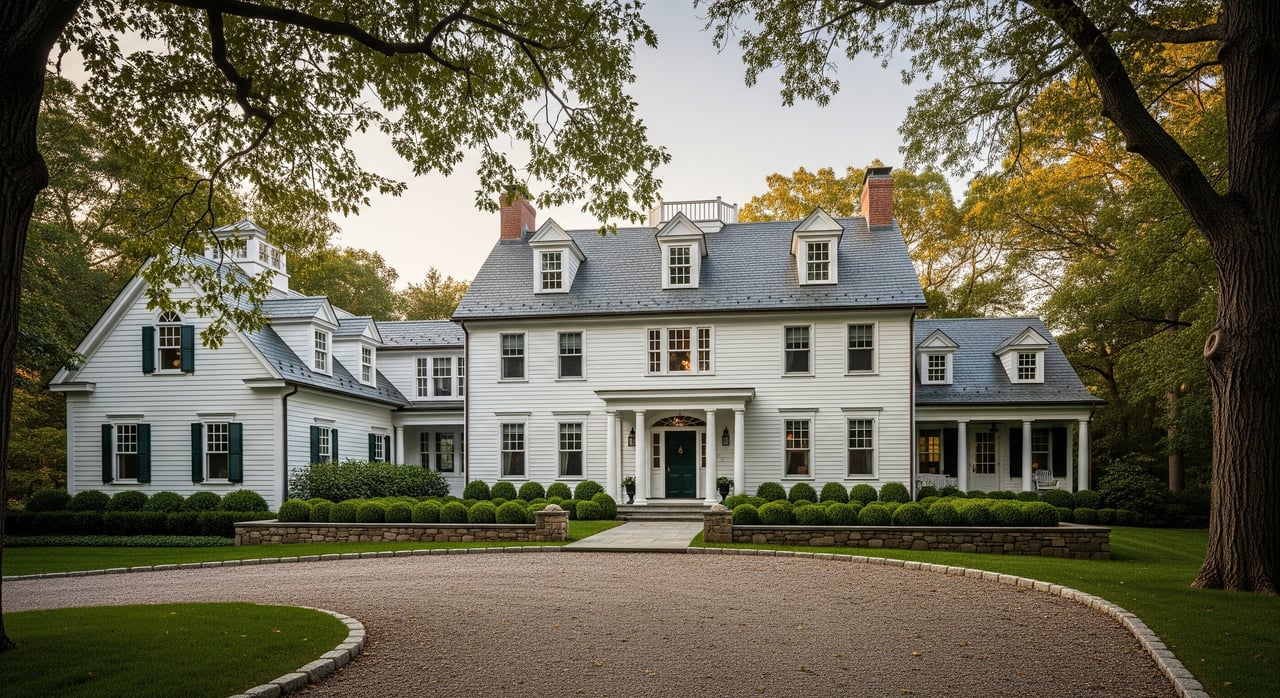
Carlisle Home Pricing Strategies for Acreage Sellers
January 15, 2026
January 15, 2026
Pricing a Carlisle home with acreage or unusual features can feel tricky when there are few perfect comps. You want to protect your equity, yet you also need a number that brings qualified buyers through the door. In this guide, you’ll get a clear, market-facing pricing plan built for Carlisle’s low-turnover, privacy-focused properties. You’ll learn how to value acreage, set a list price that fits buyer search habits, and know when to pivot. Let’s dive in.
Carlisle’s inventory is limited, and many sales involve larger lots, conservation nearby, or custom site improvements. With fewer recent comps, pricing depends on thoughtful adjustments and a story that buyers understand. Local buyers value privacy, lot size, rural character, proximity to conservation and trails, commuting convenience, and overall school quality, so your pricing has to reflect more than just price per square foot.
Regulations and site constraints matter. Zoning, frontage, wetlands setbacks, septic capacity, well performance, and deed restrictions all shape what buyers can do with a property. They can enhance value if they support the way a buyer wants to live, or limit value if they restrict additions, outbuildings, or certain uses.
Seasonality plays a role. In New England, leaf-on months showcase privacy and outdoor living, while leaf-off months reveal topography, views, and setbacks. Timing your launch can improve first impressions and the way acreage is perceived.
Buyer segments for acreage and privacy tend to include:
In a low-turnover market, broaden your search window and radius, then prioritize properties with a similar highest and best use. Document time adjustments for market movement. When possible, use paired-sales analysis to isolate the value of a single attribute, such as an extra outbuilding or additional acreage.
If you know of verified private or off-market transactions, include them only when supported by records. The goal is not to find perfect matches, but to present the best available set and explain the adjustments clearly.
Use the sales comparison approach as your foundation, then cross-check it. The cost approach can help with unique improvements such as barns, arenas, large workshops, or newer additions. The land residual or allocation method helps separate the land’s contribution from the residence, which is useful for larger parcels or potential development rights. The income approach is usually secondary for single-family homes, but it can inform value if there is income potential, for example, a permitted accessory dwelling or event space.
Avoid a blanket per-acre multiplier. Larger parcels often have a declining per-acre price but command a meaningful overall premium. Reference vacant land sales where available to estimate land value, then apply a graduated view of how additional acres contribute to buyer utility.
For unique structures, consider the cost to replace, depreciation, and what the market is currently paying for similar packages. Apply negative adjustments for functional limitations such as limited septic capacity, wetlands restrictions, or insufficient frontage. These items influence usability and therefore price.
Your list price should align with how buyers search and what they expect to see at a given number. Overpricing to “leave room” often reduces traffic and can make a listing feel stale. Underpricing to spark competition can work when demand is strong, but it requires confidence that your buyer pool is deep enough for your property type.
Use price bands that match buyer search habits. Many buyers filter by round-number thresholds, so placing your price just inside a common bucket can improve exposure. Treat your list price as an anchor and support it with a compelling marketing story that highlights acreage, privacy, and specific uses a buyer cares about.
The right presentation helps buyers see and believe your price. Focus on:
Price to attract maximum showings during the first two weeks, with the aim of generating multiple offers. This works well when inventory is tight and privacy or acreage properties are drawing strong buyer interest. It relies on a polished launch, complete documentation, and clear offer timelines that comply with MLS rules.
Price slightly above your expected net value and accept a longer runway. This can suit sellers who prioritize control over timing. Expect fewer early showings and plan to revisit pricing after a defined diagnostic window if traffic is soft.
Track objective market-response metrics from day one:
Use a defined evaluation period, often 2 to 4 weeks, to decide whether pricing and positioning are working. Consider a price adjustment when showings are low, feedback centers on price, new competing listings shift relative value, or fresh sales reset the comp landscape.
When you adjust, make it meaningful rather than a small trim. Many practitioners use steps in the range of a few percent, based on feedback and comps. Coordinate any price change with new photography, updated staging, or completed repairs so the listing feels refreshed. Avoid frequent back-and-forth changes that can signal uncertainty.
A stale listing can lose its “new” appeal over time. If that happens, consider a broader repositioning with a temporary pause, updated marketing, and a revised price, in line with MLS policies and your timing needs.
Gather documents that reduce buyer friction and support value:
Consider pre-listing inspections and updates:
Engage the right professionals:
Plan your negotiation framework:
If privacy is a key selling point, a late spring or summer launch can emphasize foliage and outdoor living. If your site lines, topography, or setbacks are standout features, a late fall or winter listing can help buyers see them clearly. Simple vegetation management, driveway repairs, and clean fencing can improve curb appeal in any season. On wooded lots, create a few view corridors so buyers can appreciate usable yard areas.
You should expect hands-on preparation, senior-level guidance, and premium marketing that brings your price to life. That includes thoughtful staging, professional photography and video, clear property documentation, and negotiation-focused representation. A team with deep town-level knowledge and broad marketing reach can position your Carlisle property to the right buyers and support your price with confidence.
If you are considering a move and want a pricing strategy tailored to your acreage, layout, and timing, let’s talk. Our team builds appraisal-informed pricing plans, launches listings with complete documentation, and monitors early signals so you can adjust with clarity. Start with a conversation and a complimentary valuation from Colleen Murphy.
The St. Martin Team is a team of dedicated and well-respected Realtors®️ and they welcome the opportunity to meet with you and count you among our lifelong clients. Contact them today!