Acton Colonial vs Contemporary Homes: A Local Guide
December 18, 2025
December 18, 2025
Trying to choose between a classic Colonial and a light‑filled Contemporary in Acton? With strong community appeal, commuter access, and a variety of lot sizes, the right style can shape your daily routine and long‑term costs. In this guide, you will see how both styles compare on layout, curb appeal, renovation needs, and resale in Acton, plus practical tips for inspections, permitting, and energy upgrades. Let’s dive in.
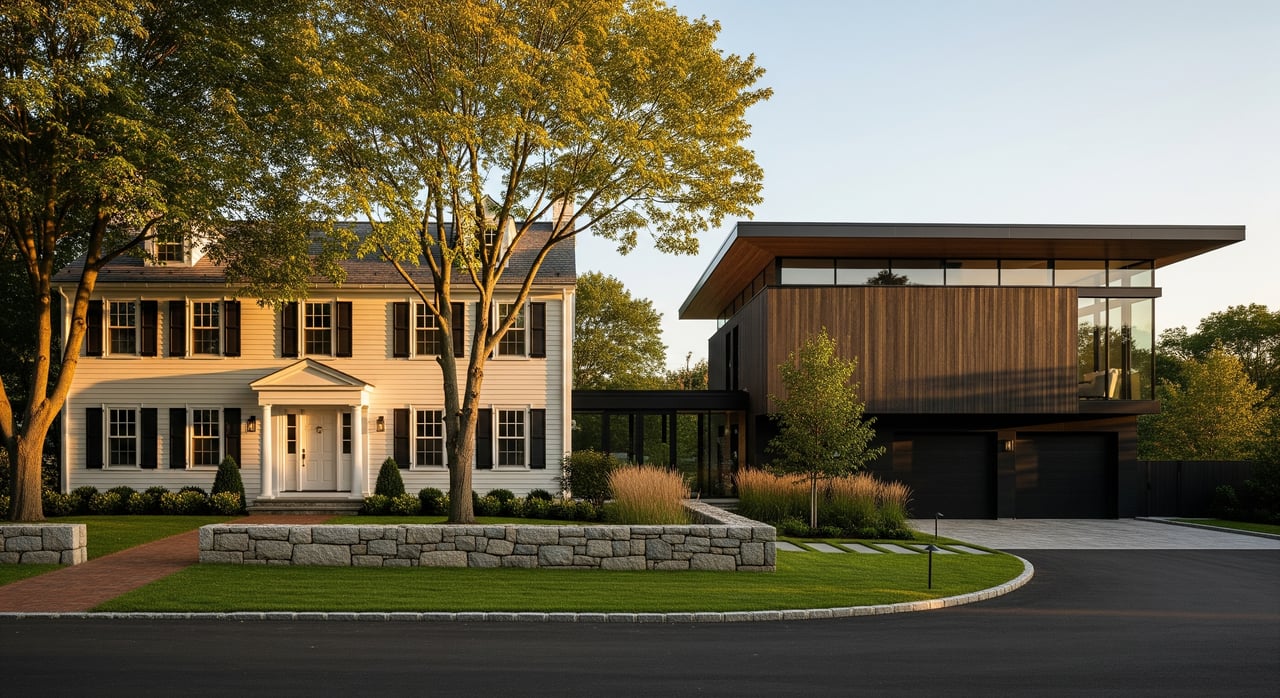
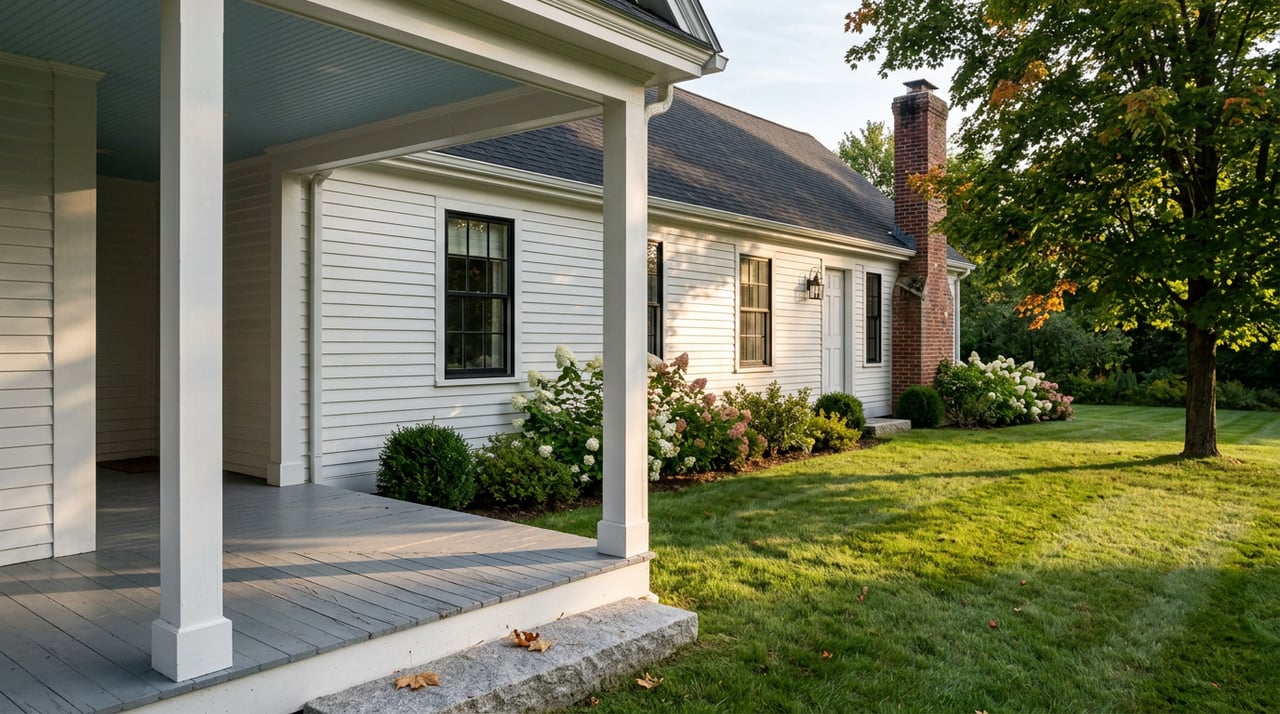
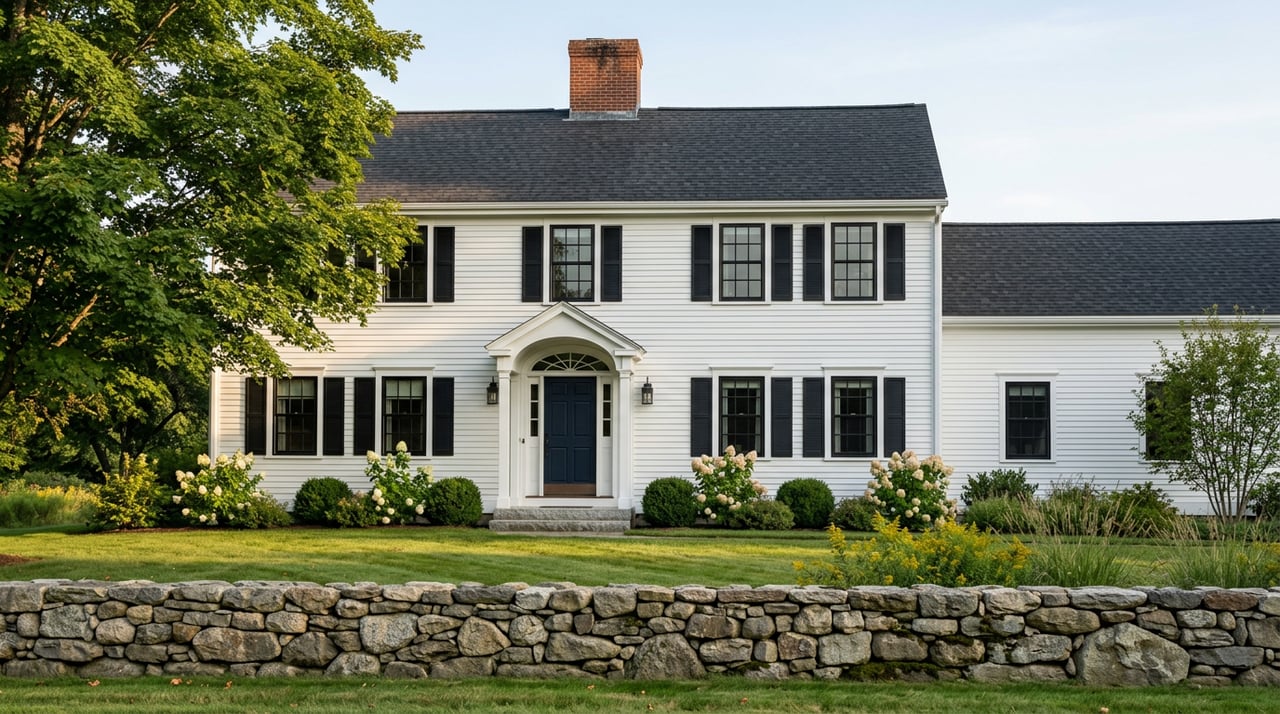
Colonial homes in Acton span two main groups. You will find historic or vernacular Colonials from the 18th and early 19th centuries, as well as Colonial Revival homes from the late 19th to mid 20th century. Many feature clapboard or wood siding, a symmetrical front, and a centered entry.
Inside, expect a center hall with defined rooms for living, dining, and kitchen. Bedrooms are usually on upper floors with attic and basement storage. Older homes can have lower ceilings and more compartmentalized spaces than newer builds, but thoughtful updates often keep their charm intact.
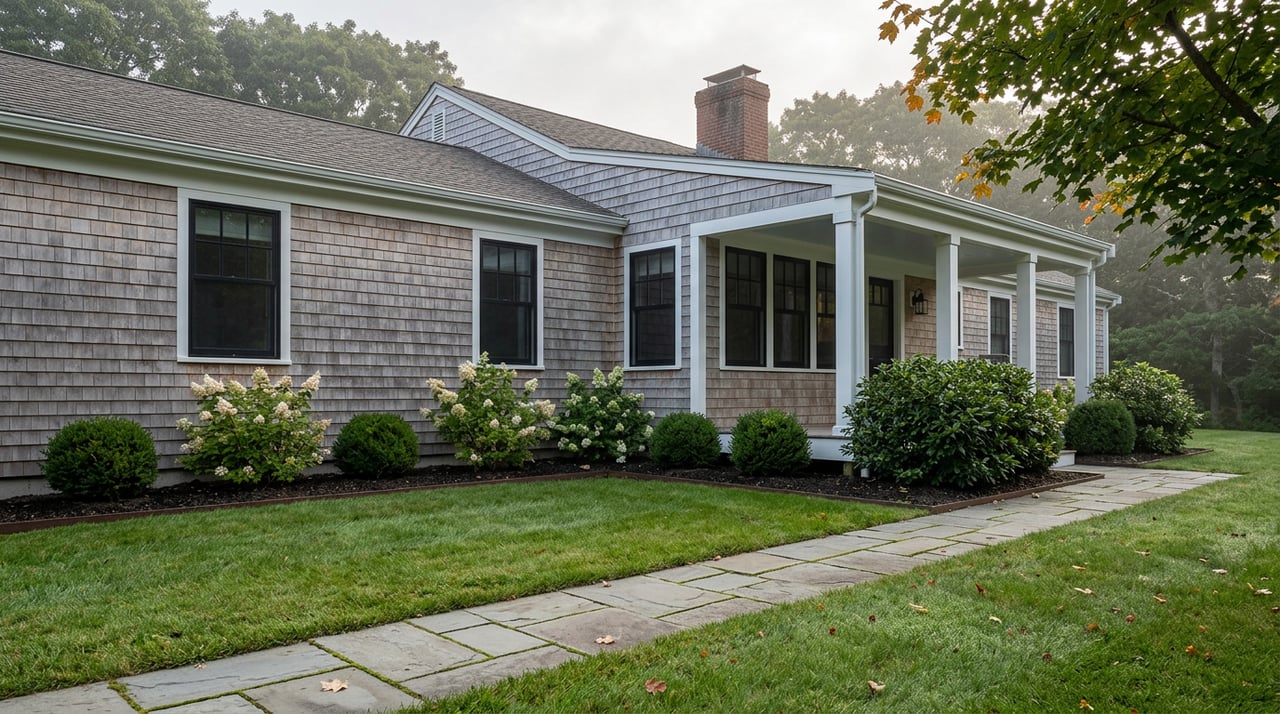
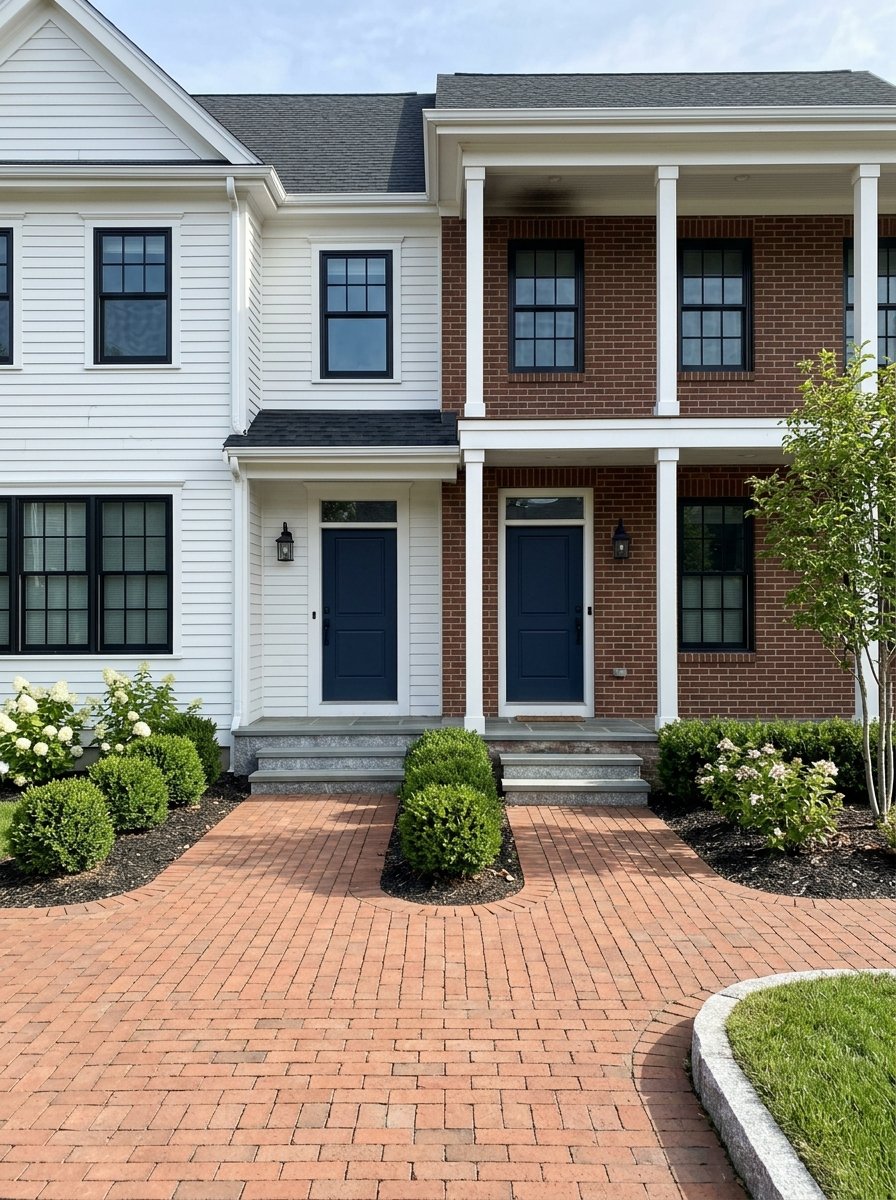
“Contemporary” in Acton covers mid‑century ranches and split‑levels, as well as newer modern builds. Exterior cues include asymmetry, larger windows, mixed materials, and attached garages. You will often see varied or low‑pitch roofs.
Interiors lean open plan with combined living, dining, and kitchen areas. Primary suites may be larger, and big windows bring in natural light. Many contemporaries emphasize easy indoor‑outdoor flow to decks or patios.
Colonials tend to blend smoothly with Acton’s village streetscapes and tree‑lined roads. Historic details like stone walls and traditional façades match what many buyers picture in a New England town.
Contemporaries can stand out architecturally. On larger lots or in newer subdivisions, that contrast feels intentional and modern. Wherever you look, proximity to the MBTA Fitchburg Line at South Acton and access to Route 2 are key factors for convenience and resale.
Older Colonials may need system and efficiency work over time. Focus your planning on:
If the home sits in a locally regulated historic area, some exterior changes may require review. The Town can guide you on what needs approval.
Contemporaries, especially newer ones, often have modern mechanicals already. For older mid‑century homes, plan for:
Both styles can perform well when the location and layout work for everyday life. Buyers often prioritize access to commuter options and school information from the Acton‑Boxborough Regional School District, then weigh style and finishes.
Updated Colonials tend to attract a broad buyer pool that appreciates traditional curb appeal and defined rooms. Well‑sited contemporaries appeal to buyers seeking open layouts, light, and flexible space for home offices or casual entertaining.
Before you plan additions, dormers, or major exterior work, review local requirements with the Town of Acton Building Division. For zoning questions or historic considerations, the Planning Department can point you in the right direction. State preservation guidance is available through the Massachusetts Historical Commission.
For energy improvements, schedule an assessment and confirm available incentives with Mass Save to help offset insulation, heat pump, and efficiency upgrades.
In Acton, both Colonials and Contemporaries can be smart buys. Focus on location, commute options, functional layout, and system updates. Then let style reflect how you want to live day to day.
If you want help narrowing options or planning upgrades for resale, reach out to Colleen Murphy for local guidance and a clear next step.
The St. Martin Team is a team of dedicated and well-respected Realtors®️ and they welcome the opportunity to meet with you and count you among our lifelong clients. Contact them today!