Wondering when to list your Groton home so you sell quickly and for the best price? Timing matters in New England, and Groton’s suburban-rural market follows clear seasonal patterns. You want a plan that matches your goals, your timeline, and current local conditions. In this guide, you’ll learn how each season performs, the tradeoffs to consider, a practical prep timeline, and the key data to review before you pick a date. Let’s dive in.
What “best time” means in Groton
Groton follows a familiar New England rhythm. Spring through early summer typically delivers the widest buyer pool, strong showing activity, and better odds of multiple offers. Late summer into early fall can still produce solid outcomes with slightly more price sensitivity. Winter brings fewer buyers but less competition, which can help a well-prepared listing stand out.
Local features play a role. Groton’s larger lots and historic homes tend to show best when landscaping is green and daylight is longer. Family-focused buyers often time moves around the school calendar, and commute patterns to regional job centers influence showing schedules. Weather can affect curb appeal and photo quality, so plan accordingly.
Spring and early summer: strongest exposure
Why spring works
From mid-March through mid-June, buyer traffic usually peaks. Landscaping looks its best, outdoor spaces shine, and many buyers want to close before summer ends. This period often brings faster offers and stronger sale-to-list outcomes in New England markets.
Tradeoffs to watch
Inventory rises as more sellers list, so pricing needs to be competitive. If mortgage rates shift or local inventory spikes, expect more negotiation on terms or price. Thoughtful staging and strategic pricing help you hold attention.
Who benefits most
- Sellers aiming to maximize price and buyer exposure.
- Homeowners who want a faster sale and a summer closing.
- Properties with strong curb appeal and outdoor amenities.
Late summer to early fall: steady, with sensitivity
Advantages
August through October often sees motivated buyers who paused earlier or who prefer a less crowded market. If your home presents well and is priced smartly, you can still achieve a strong result.
What to expect
Activity typically runs below spring levels, and buyers may be more budget conscious. Highlight maintenance, recent updates, and move-in readiness to support your price.
Winter: low competition, focused buyers
Winter is typically slower in New England, yet inventory is lower too. That means your home can stand out if it is well priced and marketed. Buyers who are active now tend to be serious and deadline driven.
Consider the tradeoffs. You may experience fewer showings and a longer days-on-market count. Plan for weather-ready photos, clear walkways, and warm interior lighting.
Choose timing by your goal
- Maximize price and exposure: List mid-March through mid-June for peak buyer traffic and stronger sale-to-list potential.
- Fastest sale: Target late March through May when offers often come in quickly.
- Align with the school year: List in February or March to secure a spring contract and a late spring or summer closing.
- Minimize showings and reduce competition: Consider late fall or winter. Expect fewer showings but a motivated buyer pool.
- Leverage low inventory: If months of inventory dips later in the year, a well-prepared winter listing can capture attention.
Market conditions can override seasonality. Mortgage rate changes, local inventory shifts, and economic events influence buyer behavior. Confirm the latest Groton-specific data before you commit to a date.
The local data to review before choosing
Ask for a current snapshot of Groton’s recent 12 to 36 months. Reviewing the same months year over year helps you separate seasonal norms from one-off events.
Key metrics to check:
- New listings per month and active inventory or months of inventory
- Pending and closed sales by month
- Median sale price by month and year-over-year changes
- Days on market and median time to contract
- List-to-sale price ratio and share of price reductions
- Showing activity or showings per listing if available
Compare Groton to nearby towns like Dunstable, Pepperell, Westford, and Shirley to see if trends are regional or town specific. Property type matters too. Historic center homes, acreage properties, and traditional single-family homes can follow slightly different rhythms.
A 6–12 month prep timeline that works
Even if you plan to sell in peak season, preparation drives results. Use this timeline to stay ahead.
6–12 months before listing
- Gather documents: deeds, surveys, utility info, tax records, and receipts or warranties for major improvements.
- Schedule a pre-listing inspection or a handyman walk-through to uncover deferred maintenance.
- Plan major repairs or updates that need lead time, including permits when required.
- Map out landscaping so gardens, beds, and lawn will be photo ready.
- If you are considering value-adding updates, request quotes and weigh ROI against your timing.
3–6 months before listing
- Request a current market read and valuation so your plan fits recent trends.
- Start decluttering and staged packing. Complete cosmetic refreshes like paint and lighting.
- Line up professional photography and, if helpful, a virtual tour plan. Twilight exterior shots can be powerful in spring or summer.
- Schedule deep cleaning and any staging support you plan to use. Confirm showing logistics and timing if school schedules matter to you.
4–8 weeks before listing
- If you completed a pre-listing inspection, address critical items that could affect financing or appraisal.
- Finalize staging, furniture layout, and decor.
- Book photography for a day with strong natural light. Target blooming or leaf-on conditions when possible.
- Prepare a concise property information sheet, floor plan, and disclosures.
1–2 weeks before listing
- Finish cleaning, lawn care, mulch, trimming, and seasonal plantings.
- Assemble a showing-ready packet with manuals, warranties, and service contacts.
- Confirm list price strategy and any planned review period for offers.
- Set open house dates and confirm your preferred showing window.
Seasonal staging and photo tips
- Spring and summer: Fresh mulch, trimmed shrubs, and colorful plants. Highlight decks, patios, and lawn areas.
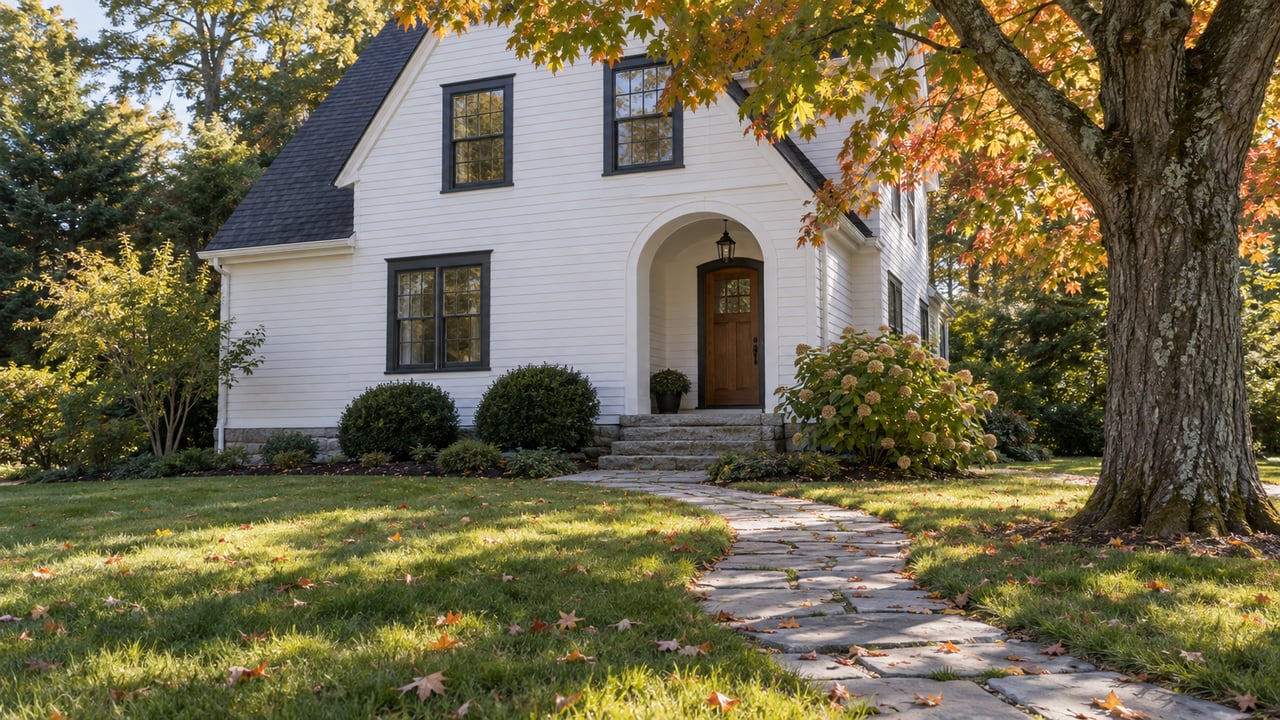
- Fall: Keep leaves tidy and use warm but neutral interior accents and lighting.
- Winter: Clear and salt walkways, use warm interior lighting, and feature comfort and energy efficiency.
Pricing and negotiation, season by season
- Higher activity months can increase multiple-offer odds and support stronger sale-to-list ratios, but you still need a compelling price and condition.
- When inventory climbs, buyers have more choices. Your pricing and presentation must be competitive.
- In slower months, terms often matter more. Strong financing, flexible closing dates, and contingency management can help you protect value.
Your next step
The “best time” to sell in Groton is the season that aligns with your priorities and the latest local data. If you plan ahead, present your home beautifully, and choose a strategy that fits market conditions, you give yourself the best chance at a timely and profitable sale.
If you are thinking about selling in the next year, request your complimentary home valuation and a season-by-season plan from Colleen Murphy.
FAQs
Is spring always the best time to sell in Groton, MA?
- Spring typically brings the most buyer traffic and strong pricing, but mortgage rates, inventory, and recent local sales can change outcomes. Verify current data before deciding.
Will I net more if I wait until spring in Groton?
- Often, stronger demand in spring can help drive price and competition. If rates rise or inventory jumps, that advantage can narrow. Condition and pricing are still key.
Should I list my Groton home in winter to avoid competition?
- Winter can reduce competition and attract motivated buyers, but expect fewer showings and possibly a longer days-on-market. Invest in great photos and inviting interior staging.
How far in advance should I make repairs before selling in Groton?
- Start cosmetic updates 4 to 8 weeks before listing. Begin major repairs or system upgrades 3 to 12 months ahead to account for permits and contractor lead times.
How does the school calendar affect Groton home sales?
- Many families prefer to close in late spring or summer. Listing in late winter or early spring can help you capture that timing while schools are out for the move.