Newer Vs. Older Homes In Westford
June 11, 2026
June 11, 2026
If you are deciding between a newer home and an older home in Westford, you are not alone. Many buyers here are weighing modern convenience against character, setting, and long-term upkeep. The good news is that Westford offers a real mix of both, which gives you options if you know what to look for. This guide will help you compare the tradeoffs and narrow in on the right fit for your lifestyle and goals. Let’s dive in.
Westford is not a town made up mostly of brand-new construction or mostly historic homes. According to the town’s 2024 community profile, 22% of housing units were built in 1959 or earlier, 21% were built from 1960 to 1979, 37% were built from 1980 to 1999, and 19% were built in 2000 or later.
That age spread matters because it gives you a broader menu of choices than you might expect. You can find older village-style settings, established neighborhoods from the late 20th century, and newer detached, attached, and multifamily options depending on the part of town and the type of home you want.
Westford also holds a premium position in the Greater Lowell region. In 2020, it had the highest median sales price in the region for both single-family homes and condos, which helps explain why buyers often look closely at value, condition, and future maintenance before making an offer.
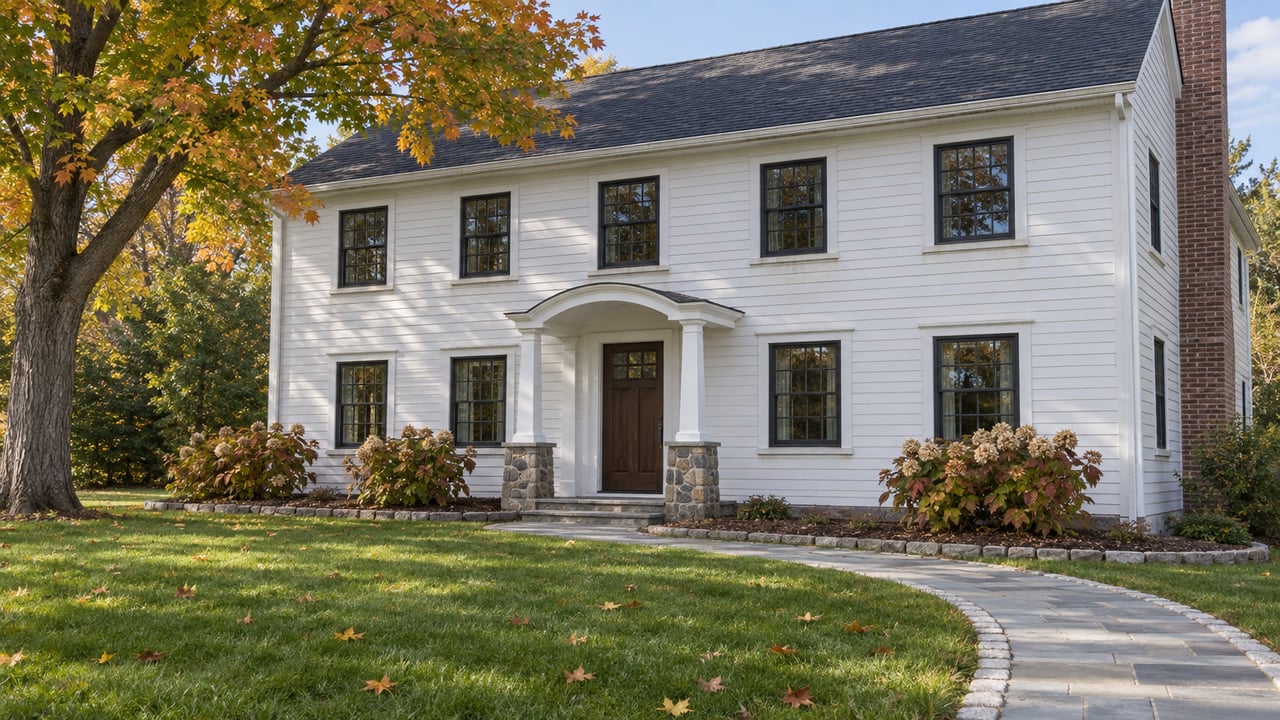
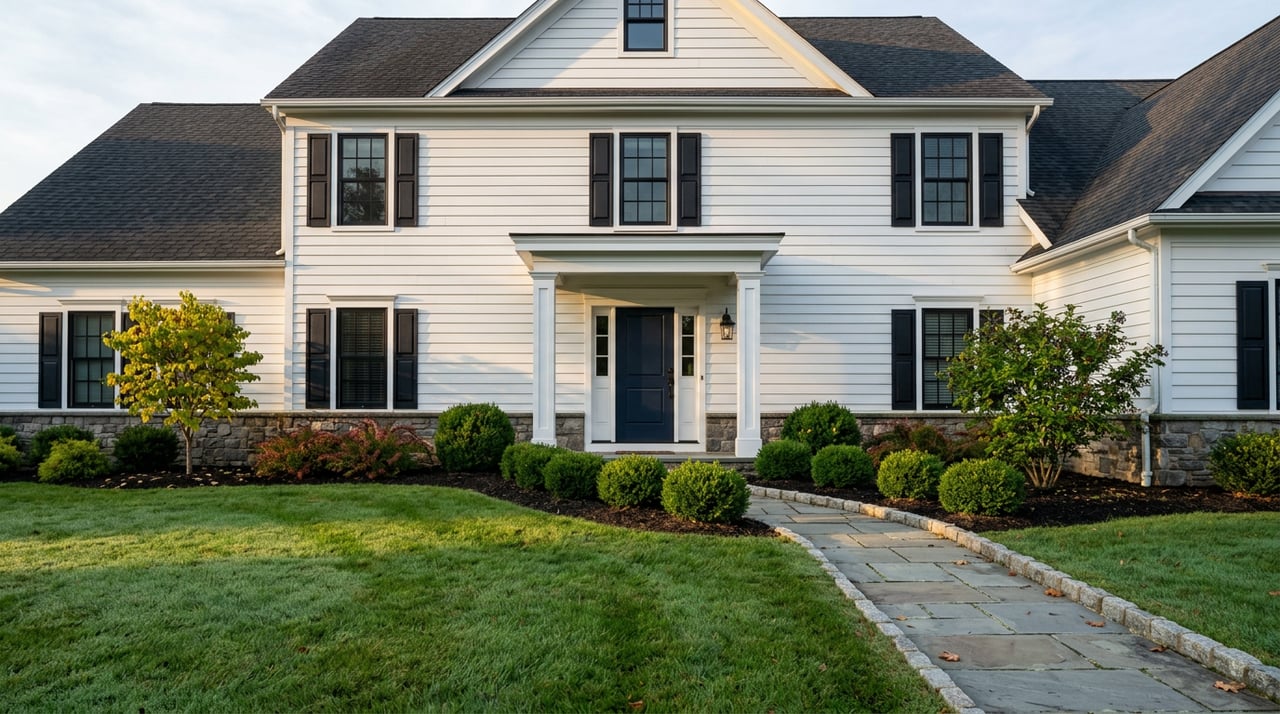
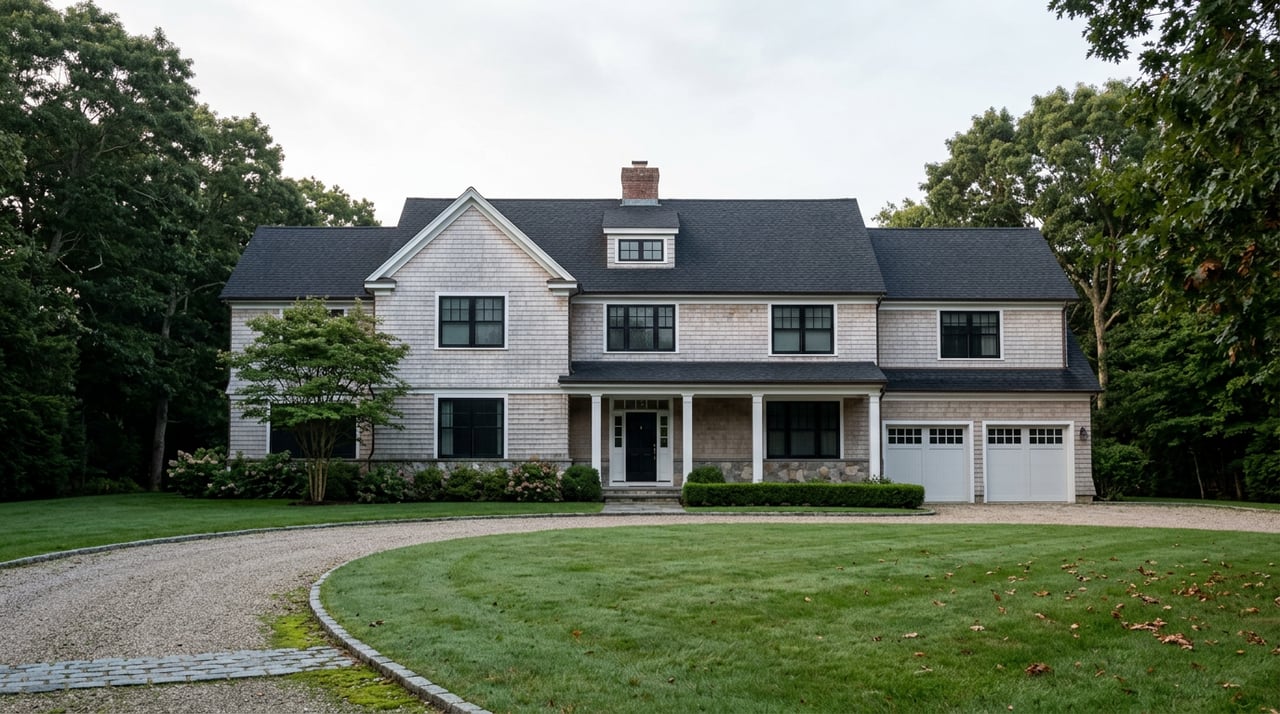
Newer homes in Westford often attract buyers who want a more predictable ownership experience. In practical terms, that can mean more modern systems, less immediate exterior repair, and layouts that feel more aligned with current living preferences.
Westford’s newer inventory is also more varied than a simple single-family suburb pattern. The town’s housing production plan shows growth not only in detached homes, but also in attached homes and buildings with 20 or more units.
That creates more flexibility for different stages of life. If you want lower-maintenance living, downsizing options, or an ownership property that does not require as much yard work, newer attached or multifamily choices may be worth a closer look.
Newer neighborhoods in Westford tend to be more intentionally planned. The Planning Board reviews items like roadway design, drainage, soil conditions, structure placement, and safety, which shapes how many of the newer developments come together.
The town’s zoning and housing plan also emphasize Open Space Residential Development, often called OSRD, and Flexible Development. Most new residential subdivisions since 2012 have used OSRD provisions, which require minimum lot sizes, frontage standards, and dry common open land per unit or building lot.
For you as a buyer, that often translates into neighborhoods with a more coordinated site layout and shared open space. In some cases, you may trade a larger private yard for a more planned overall setting.
Westford’s newer homes are not all the same. Recent examples in the town’s housing plan include detached homes, townhome-style attached homes, age-restricted communities, and multifamily developments.
Juniper Hill includes 18 new one-unit detached homes. Sugar Maple Lane is a 28-unit ownership development with attached homes, and its information packet describes two- and three-bedroom townhomes of about 1,740 square feet with two parking spaces, heat pumps, and either 1.5 or 2.5 baths.
Other recent examples named in the housing plan include Balsam Circle, 110 Place, Alder Point, Two Robbins Road, and Residences at Westford West. The key takeaway is simple: if you picture newer housing in Westford as one giant subdivision full of lookalike homes, that is not the full story.
A newer home can reduce near-term maintenance, but it can also come with ongoing fees in some ownership communities. For example, Sugar Maple Lane’s affordable units were listed with a $235 monthly condo fee.
That does not automatically make a newer attached home more or less affordable. It just means you should compare your full monthly cost, not only your mortgage payment.
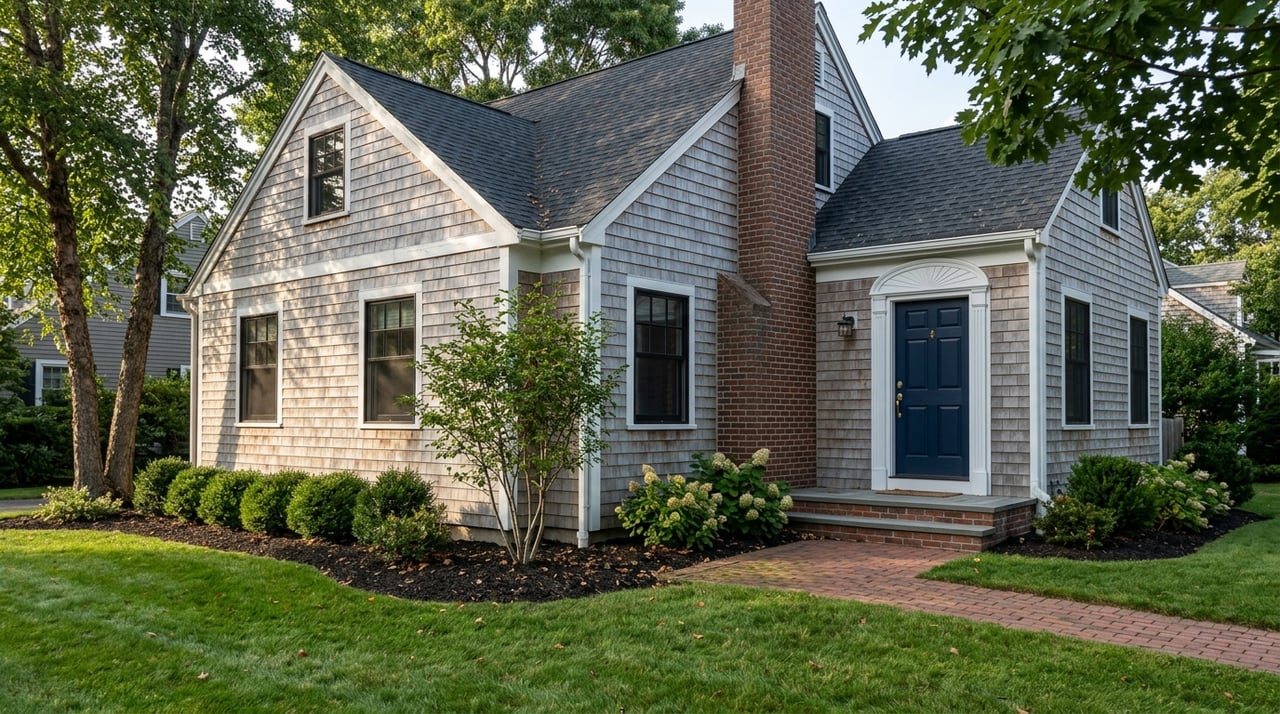
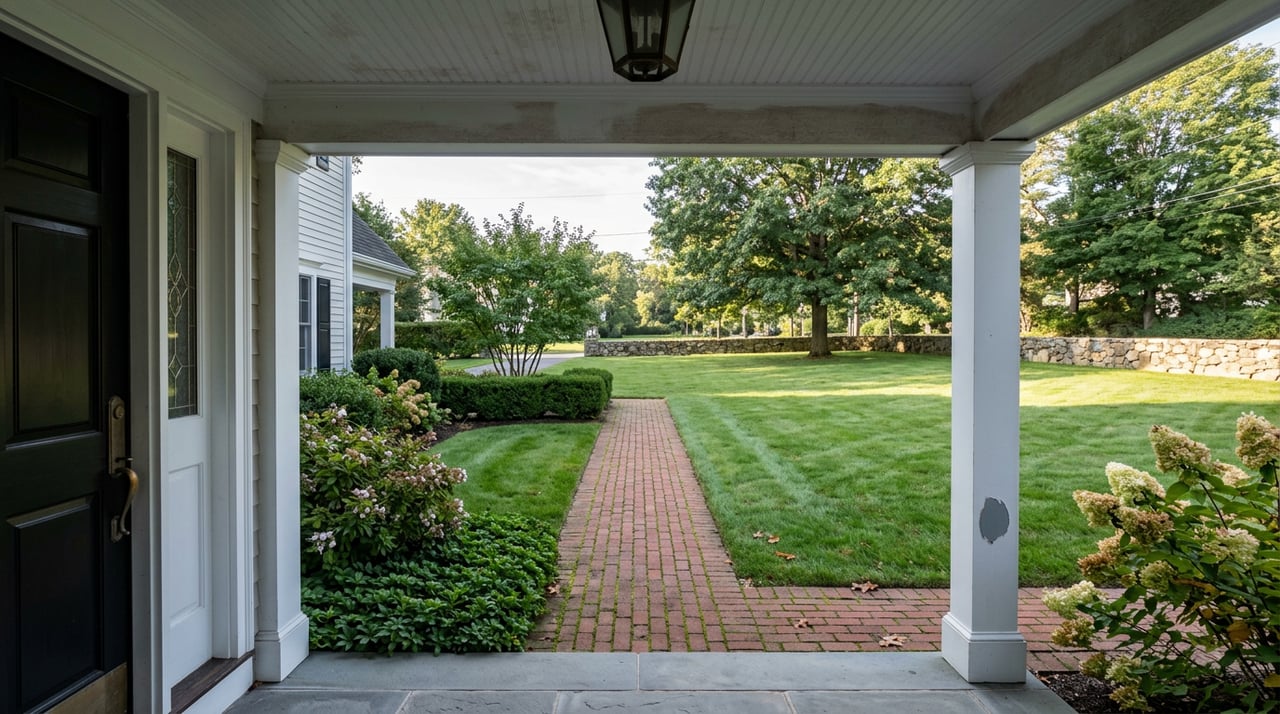
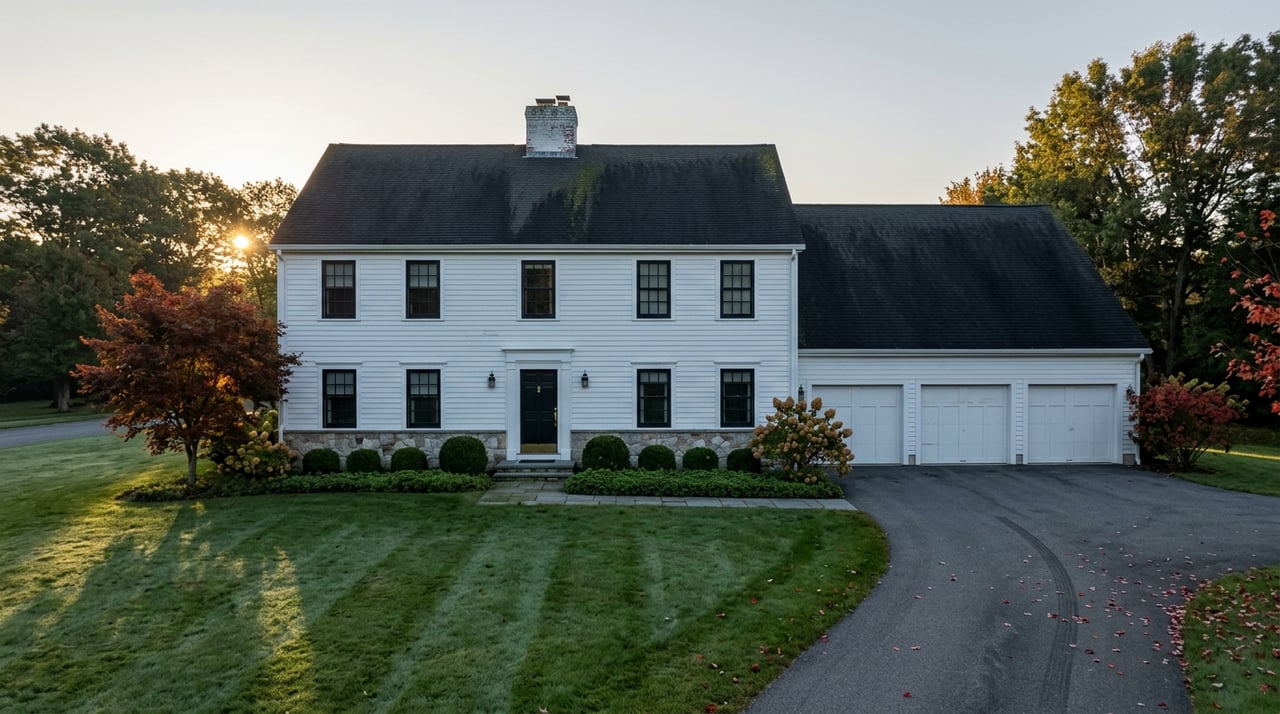
Older homes in Westford often draw buyers who care about architectural character, established streetscapes, and a stronger village feel. These homes can offer details and settings that are hard to duplicate in newer construction.
In many cases, the appeal goes beyond the house itself. Mature plantings, traditional lot patterns, and a neighborhood layout shaped over time can create a distinct sense of place.
Westford’s historic districts help explain where much of that character comes from. They show how different parts of town developed over time and why older homes here can feel so different from one another.
The Westford Center Historic District is the town’s residential and civic center. It includes well-preserved institutional, residential, and commercial buildings from the Colonial to Early Modern periods.
Lots in the district range from about one-quarter acre to seven acres, with most homes within 50 feet of the road. The town describes the area as having a village appearance, shaped by older residences, civic buildings, churches, and schools.
That village pattern gives many older homes in and around the center a more established feel. Traditional landscaping, foundation plantings, and ornamental trees also add to that sense of continuity.
Forge Village Historic District offers a different kind of older-neighborhood character. It is an industrial and residential village with denser housing, smaller lots, and homes often within 25 feet of the street.
Its architecture ranges from Colonial and Federal to Bungalow and Cape Cod. That layered building history can be appealing if you want an area that feels older, more compact, and shaped by many eras.
Parker Village Historic District has a more rural feel. It developed as a farming neighborhood and still includes fields, forest, residential yards, historic residences, and stone walls across about 33 acres.
For many buyers, this decision comes down to daily lifestyle more than age alone. Newer homes tend to emphasize convenience, shared open space, and lower near-term maintenance. Older neighborhoods tend to emphasize architectural character, mature surroundings, and a stronger village or historic identity.
Neither option is automatically better. The right choice depends on what you value most and what kind of ownership experience feels manageable and rewarding to you.
A newer home may require less immediate work, especially on major systems and exterior components. That can be appealing if you want a move-in-ready experience or prefer to limit early repair costs.
An older home may offer more character, but it can also bring renovation or maintenance needs. If you love the setting and style of an older property, it helps to leave room in your budget and mindset for updates over time.
In newer Westford subdivisions, the layout is often more coordinated because of current planning and development rules. OSRD-based projects may include shared open space and a different balance between private yard area and common land.
In older parts of town, lot sizes, setbacks, and street patterns can vary much more. Some areas have homes closer to the road and smaller lots, while others have a broader rural pattern with stone walls, fields, or larger parcels.
If you are comparing a newer attached home or condo with an older detached home, pay close attention to how ownership costs are structured. A condo fee may cover some shared expenses, but it still affects your monthly budget.
On the other hand, a detached home without a condo fee may leave more maintenance directly in your hands. It is worth comparing the full picture, including upkeep, not just the list price.
In Westford, water and wastewater arrangements should be checked property by property. The town does not have a municipal sewer system, and the housing plan states that smaller developments commonly use septic systems while larger developments may rely on private wastewater treatment facilities.
The same plan says about 75% of the community is served by the water system. That means utility setup can vary from home to home, and it is smart to understand exactly what serves the property you are considering.
This is true whether you are buying a newer home or an older one. It is one of the most important practical questions to ask early in your search.
If you are torn between newer and older homes in Westford, start by ranking your priorities. Think about how much weight you give to convenience, layout, setting, character, monthly carrying costs, and near-term maintenance.
A newer home may be the better fit if you want more modern systems, lower immediate upkeep, and a neighborhood shaped by current planning. An older home may be the better fit if you care most about architectural detail, established surroundings, and a more traditional village or historic feel.
Because Westford has a true mix of housing eras, this choice is rarely abstract. It usually becomes much clearer once you compare real properties side by side and look beyond finishes to the bigger ownership picture.
If you want help weighing those tradeoffs in the context of Westford’s market, local guidance can make the process much easier. Colleen Murphy can help you compare home styles, neighborhood patterns, and resale considerations so you can move forward with confidence.
The St. Martin Team is a team of dedicated and well-respected Realtors®️ and they welcome the opportunity to meet with you and count you among our lifelong clients. Contact them today!