Groton MA Country Living: What Buyers Can Expect
July 16, 2026
July 16, 2026
Are you dreaming about more land, more privacy, and a home that feels a little more connected to nature? If Groton is on your list, it helps to know that "country living" here is not just a vibe. It is built into the town’s size, zoning, housing patterns, and open space. If you are thinking about buying in Groton, this guide will help you understand what daily life may really look like, from lot sizes and utilities to recreation and town services. Let’s dive in.
Groton stands out because it is physically large for a Middlesex County town. The town reports about 11,541 residents spread across 32.78 square miles, along with 106 miles of plowed or maintained roads. That scale helps create the spacious, less compact feel many buyers notice right away.
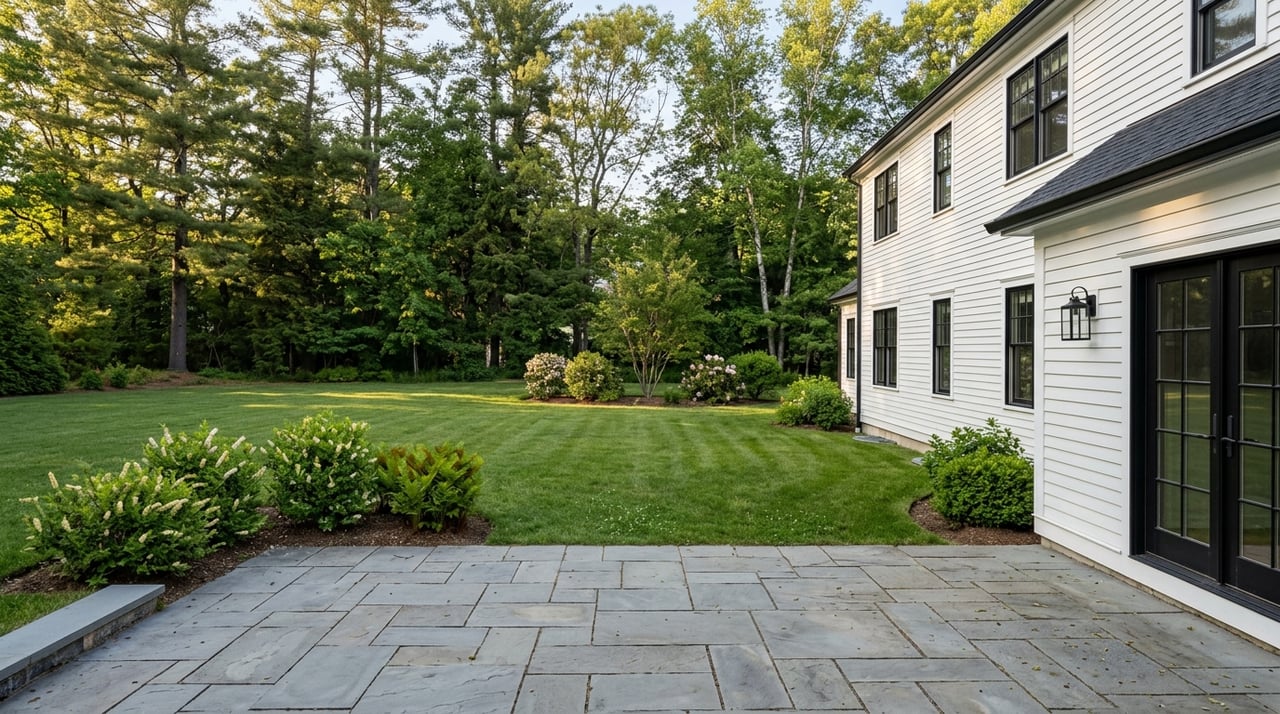
For you as a buyer, that often means homes are not packed tightly into subdivision-style streets in many parts of town. Instead, Groton’s country character comes from land area, road layout, and lower-density development patterns while still remaining connected to local government and services.
A big part of Groton’s rural feel comes from zoning. In the Residential-Agricultural, or R-A, district, the minimum lot area is 80,000 square feet with 225 feet of frontage. In the R-B district, the minimum lot area is 40,000 square feet with 175 feet of frontage.
Those standards help explain why so many homes in Groton sit on larger parcels. If you are moving from a denser suburb, you may notice more distance between homes, longer driveways, and a stronger sense of separation from neighboring properties.
Groton also has areas designed for a different pattern of development. The Town Center Overlay District supports greater flexibility and density for civic, residential, and commercial uses, so the feel there can be more compact than in the broader residential parts of town.
Groton is heavily owner-occupied, with an 88.8% owner-occupied housing rate according to Census QuickFacts. The same source reports a median owner-occupied home value of $743,400 based on 2020 through 2024 estimates.
For buyers, that can point to a market where many homeowners stay put and maintain long-term ties to the town. It can also mean that when a well-located property comes on the market, especially one with land or flexible living space, interest may be strong.
Some homes may offer another layer of flexibility. Groton allows one accessory apartment by right in the R-A and R-B districts, subject to Title V and local approvals, which may be useful if you are thinking about multigenerational living or planning for aging in place.
One of the most important things to understand is that Groton’s country setting often comes with more homeowner responsibility. The Groton Sewer Commission serves only the Groton Center and Four Corners sewer districts, and the Building Department says most of Groton uses private septic systems.
That matters because septic capacity can affect future plans for a property. If you hope to add bedrooms or expand the home over time, you will want to understand the existing system early in the process.
Water service can vary too. Groton’s 2019 Open Space & Recreation Plan said 41% of housing units were served by the Groton Water Department, 13% by the West Groton Water Supply District, and the rest by private wells. The town also regulates private wells through Board of Health rules.
In day-to-day terms, country living may involve a little more hands-on management than life in a denser suburb. Depending on the property, you may need to think about:
In Groton, the way a property connects to the road can be more important than buyers first expect. Zoning requires frontage on a qualifying way, and older ways may need Planning Board review if they are relied on for access and utilities.
This does not mean a property is automatically problematic, but it does mean details matter. If you are considering a home on an older road or a lot with unique access, it is wise to look closely at how the property is served and whether any local review may affect your plans.
If you buy a home with more land, you may also be buying into a different level of property review for future projects. Groton’s Conservation Department notes that work within 200 feet of a river or perennial stream, or within 100 feet of a wetland, can trigger Conservation Commission filings.
That can apply to projects buyers often assume are straightforward. Additions, decks, sheds, pools, utility work, and major landscape changes may all need a closer look depending on where they are located on the lot.
This is one reason due diligence matters in Groton. A property may offer wonderful outdoor space and privacy, but you will want a realistic understanding of what improvements are simple, what may require approvals, and how the land itself shapes your options.
Open space is one of the clearest reasons Groton feels the way it does. The Stewardship Committee says the Conservation Commission directly manages more than 2,100 acres of conservation land and also holds conservation restrictions on 1,550 additional acres.
The town’s 2019 Open Space & Recreation Plan mapped 11,950 acres, or 55% of the town area, as protected or semi-protected land. That is a defining feature of Groton, not a small side note.
For you, this can translate into a lifestyle benefit that is hard to replicate in more built-out communities. You may find that views, trail access, and a stronger sense of natural surroundings are part of everyday living here, not just weekend recreation.
Groton’s conserved land is not only about preservation. The Town Forest Committee says the Groton Town Forest supports watershed protection, recreation, wildlife habitat, and trails, and the town’s recreation page lists options such as the Nashua River Rail Trail and the Town Forest Trail Run.
If you value outdoor access, Groton offers a practical kind of country lifestyle. It is less about being isolated and more about having nature woven into the rhythm of the town.
That can be especially appealing if you want room to spread out while still having places to walk, ride, or explore close to home. In many ways, that balance is central to Groton’s identity.
Country living in Groton does not mean you are choosing a place with no center of activity. The town’s Village Center Business district is intended for retail, commercial, office, service, and residential uses at an appropriate walkable scale.
The Town Center Overlay District is also meant to support a socially and economically vibrant center with greater flexibility and density. Groton’s design guidelines describe a pedestrian-friendly center where residents can handle errands, business, and cultural activities in one compact place.
For buyers, this is an important part of the picture. Groton offers larger lots and abundant open space, but it also has an intentionally active town center that helps make everyday life more practical.
If you are considering Groton, it helps to go in with a clear picture of the tradeoffs and benefits. The town’s country feel is real, but it often comes with systems, land, and property conditions that ask more of the homeowner.
At the same time, that added responsibility is often exactly what attracts buyers to Groton in the first place. You may gain more space, more privacy, and easier access to open land, while still having a recognizable town center and municipal structure.
A simple way to think about Groton is this: you are not buying isolation. You are buying a mix of larger lots, outdoor access, and a small-town framework that keeps life grounded and functional.
If you want help evaluating how a specific Groton property fits your goals, from lot layout to day-to-day practicality, Colleen Murphy can help you look beyond the listing photos and make a confident decision.
The St. Martin Team is a team of dedicated and well-respected Realtors®️ and they welcome the opportunity to meet with you and count you among our lifelong clients. Contact them today!