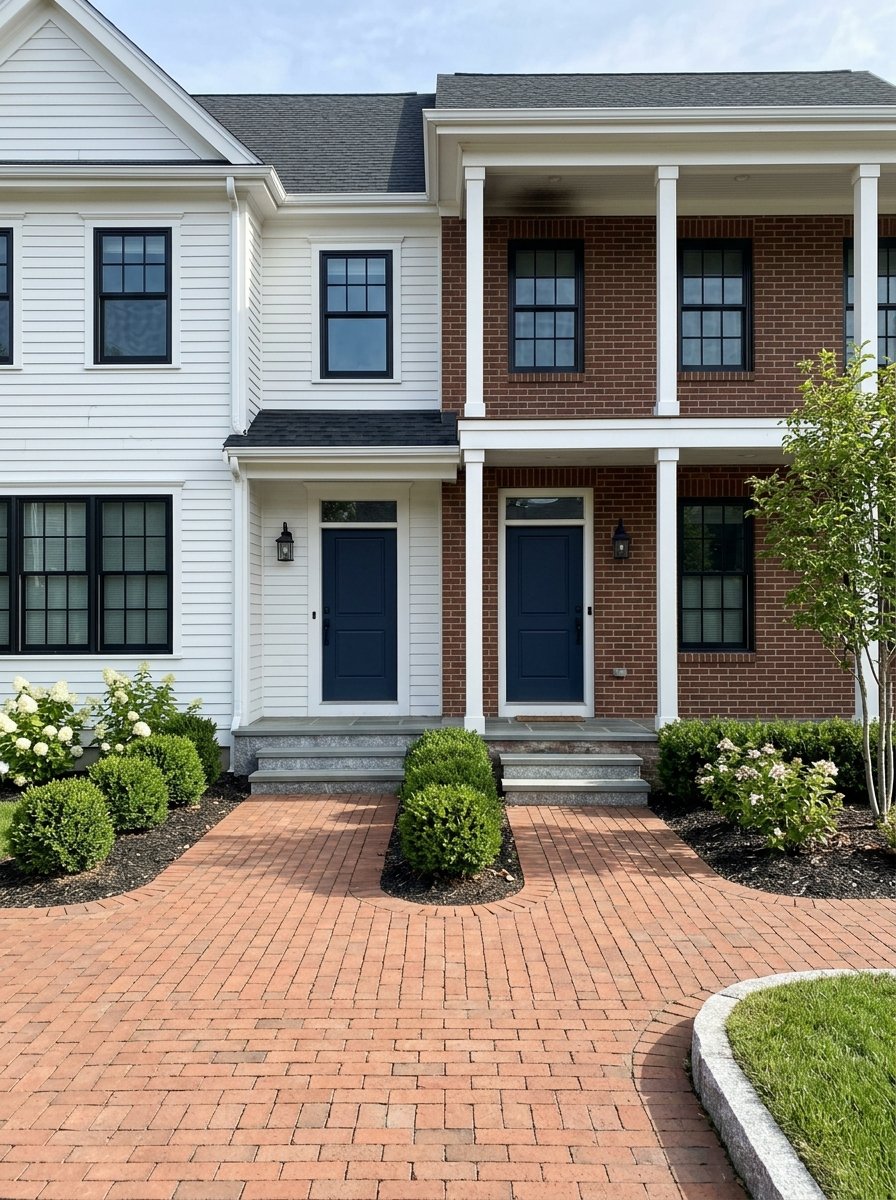
Buying A Condo Or Townhome In Concord
July 23, 2026
July 23, 2026
Wondering whether a condo or townhome in Concord is the right fit for your next move? If you want lower day-to-day upkeep, easy access to village centers, and the charm that draws so many buyers to Concord, attached housing can be a smart option. The key is knowing what you are really buying, from association rules to historic-district considerations. Let’s dive in.
Concord offers more than a place to live. Its village centers combine local shops, cafes, cultural venues, civic buildings, and historic character in a way that feels distinctly New England.
For many buyers, that setting is a big part of the appeal of a condo or townhome here. In Concord, attached housing is often valued for convenience, walkability, and mobility right alongside the features of the unit itself.
Concord Center is especially known for its human scale and walkable layout. West Concord offers a separate business district with its own identity, plus commuter rail and rail-trail connectivity that can make daily errands and travel simpler.
One of the most important things to understand is that a home’s appearance does not always tell you its legal structure. In Massachusetts, a condo can take many forms, including a multi-unit building, a converted house, a condex, a vacation condo, or a townhouse-style attached home.
What matters most is the legal framework created by the master deed and bylaws. That means two homes that look similar from the street may come with very different ownership responsibilities, rules, and costs.
This is especially relevant in Concord, where you may see a wide mix of housing styles near older village areas. Some attached homes may be in historic-looking buildings or conversions, while others may be newer infill with a more modern layout and maintenance profile.
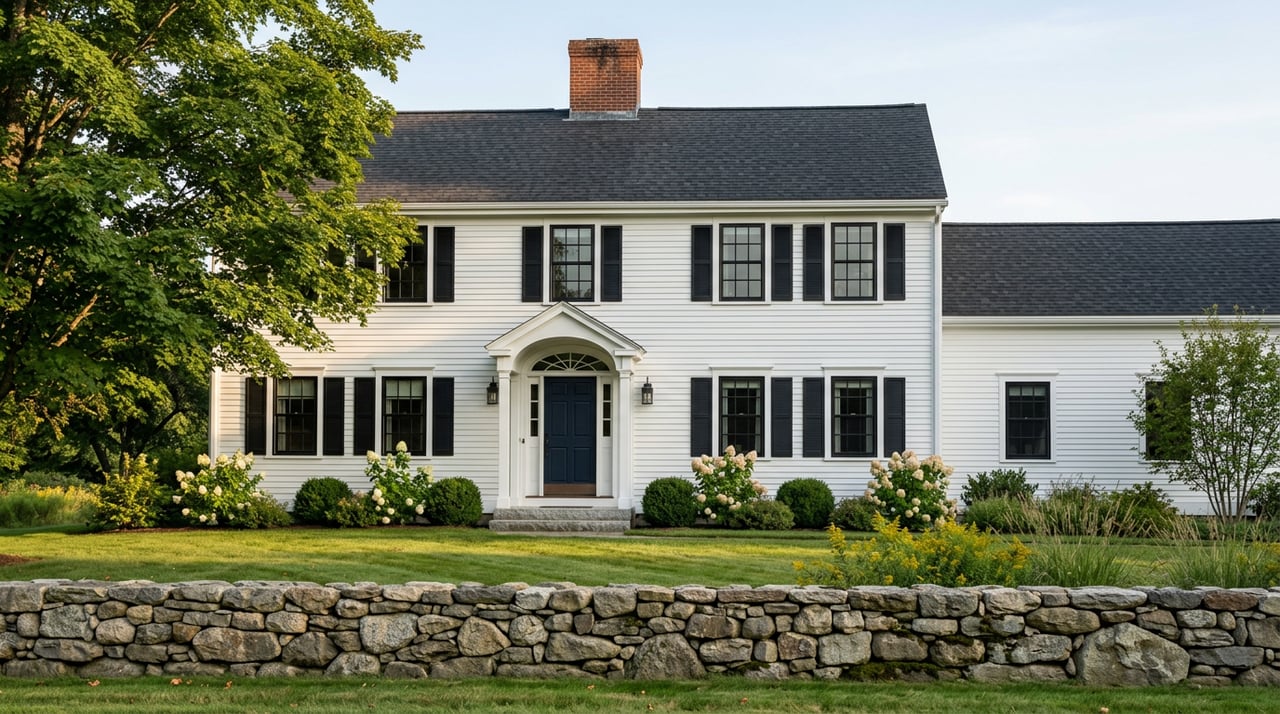
Concord’s built environment is part of what makes buying here different. In and around the town’s older districts, you may encounter homes influenced by Federal, Greek Revival, Italianate, Gothic Revival, Queen Anne, Shingle Style, Colonial Revival, and other historic architectural traditions.
That variety can be exciting as a buyer. It can also mean that one condo association may be managing a very different kind of property than another, from a converted older building to a townhouse-style development with more standardized systems and finishes.
If you are deciding between a more historic setting and a newer attached home, think beyond style alone. Consider upkeep, association responsibilities, exterior rules, and how much flexibility you want over changes to the property.
This is one of the biggest local issues to keep on your radar. Concord has six historic districts, and the Historic Districts Commission has jurisdiction over projects within those districts.
If a property is in a historic district, exterior features visible from a public street may require a certificate of appropriateness. In practical terms, that can affect future plans for doors, windows, lighting, trim, railings, and other visible exterior elements.
That does not mean you should avoid these properties. It means you should go in with clear expectations, especially if you are drawn to attached homes near Concord Center or in other older village settings where historic oversight may be more likely.
When you buy a condominium in Massachusetts, you are not just buying the unit. You are also buying into a shared governance structure shaped by the master condominium documents, the deed, the bylaws, and Chapter 183A.
Those documents spell out who handles maintenance and repairs, how common areas are managed, how insurance works, how meetings and voting are handled, and how common expenses and assessments are charged. They are essential to understanding your future costs and responsibilities.
Before you move forward, ask to review the documents that matter most:
These records can help you spot whether the association is organized, whether major repairs may be coming, and whether the monthly fee seems aligned with the property’s needs.
Monthly condo fees are easy to focus on, but the better question is what those fees are supporting. A lower fee can look appealing at first, yet it may not be enough if the association is underfunding maintenance or reserves.
Massachusetts law requires an adequate replacement reserve fund for condominiums, with some larger associations able to modify certain reserve-related requirements by supermajority vote after developer control ends. For you as a buyer, the practical step is to ask how much of the monthly fee goes to reserves and whether the association has a reserve study.
You should also ask whether the association has a history of special assessments. A well-run association is not just about keeping dues stable. It is also about planning ahead for roofs, siding, paving, systems, and other major shared expenses.
Insurance in a condo purchase can be more layered than many buyers expect. The association’s master policy may cover certain building elements or shared risks, but owners can still be assessed for additional costs related to covered losses depending on the governing agreements.
That is why the master insurance information and your own condo policy should be reviewed together. It is important to understand where association coverage stops and where your personal responsibility begins.
Massachusetts also advises that legal questions about condo rights and responsibilities be handled by an attorney with real estate and condo experience. In a market like Concord, where property types can vary widely, that guidance can be especially valuable.
For many buyers, the biggest reason to choose a condo or townhome in Concord is lifestyle. Being near Concord Center or West Concord can make it easier to enjoy shops, dining, civic amenities, commuter rail access, and the rhythm of village living.
That convenience may also support long-term value, though it should be viewed as an informed market inference rather than a guaranteed pricing rule. Homes near village centers and transit often attract attention because they combine lower-maintenance living with accessibility and character.
If you are comparing options, think carefully about how you want to live day to day. A slightly smaller home in a more connected location may feel like a better fit than a larger unit farther from the places you plan to use regularly.
Every housing choice comes with give and take, and condos are no exception. Attached living can reduce exterior maintenance and simplify travel, but it also means sharing decision-making through the association and following community rules.
For many Concord buyers, that tradeoff is worth it. If you want village access, historic character, and less day-to-day upkeep, a condo or townhome can offer a very appealing package.
The right fit comes down to your priorities. If you value flexibility over every exterior detail, or if you prefer shared maintenance to managing everything yourself, attached housing may align well with your goals.
As you narrow your options, keep your due diligence practical and focused. The more clearly you understand the property and association upfront, the fewer surprises you are likely to face after closing.
Here are a few strong questions to ask:
A thoughtful review now can help you choose with confidence, especially in a town where location, architecture, and legal structure can all shape the ownership experience.
If you are exploring condos or townhomes in Concord, having local guidance matters. The right home is not just about square footage or finishes. It is also about understanding the documents, the setting, and the tradeoffs so you can make a decision that fits how you want to live.
When you are ready for experienced, high-touch buyer guidance in Concord and surrounding Middlesex County towns, connect with Colleen Murphy.
The St. Martin Team is a team of dedicated and well-respected Realtors®️ and they welcome the opportunity to meet with you and count you among our lifelong clients. Contact them today!