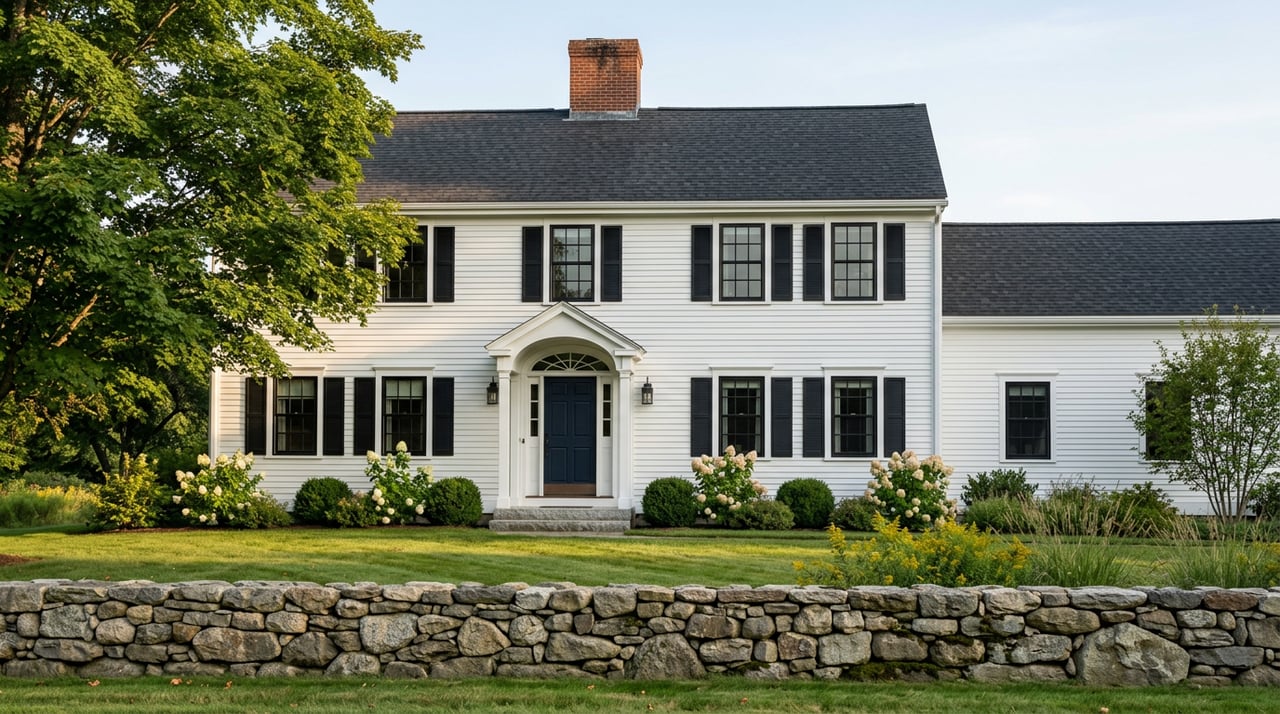
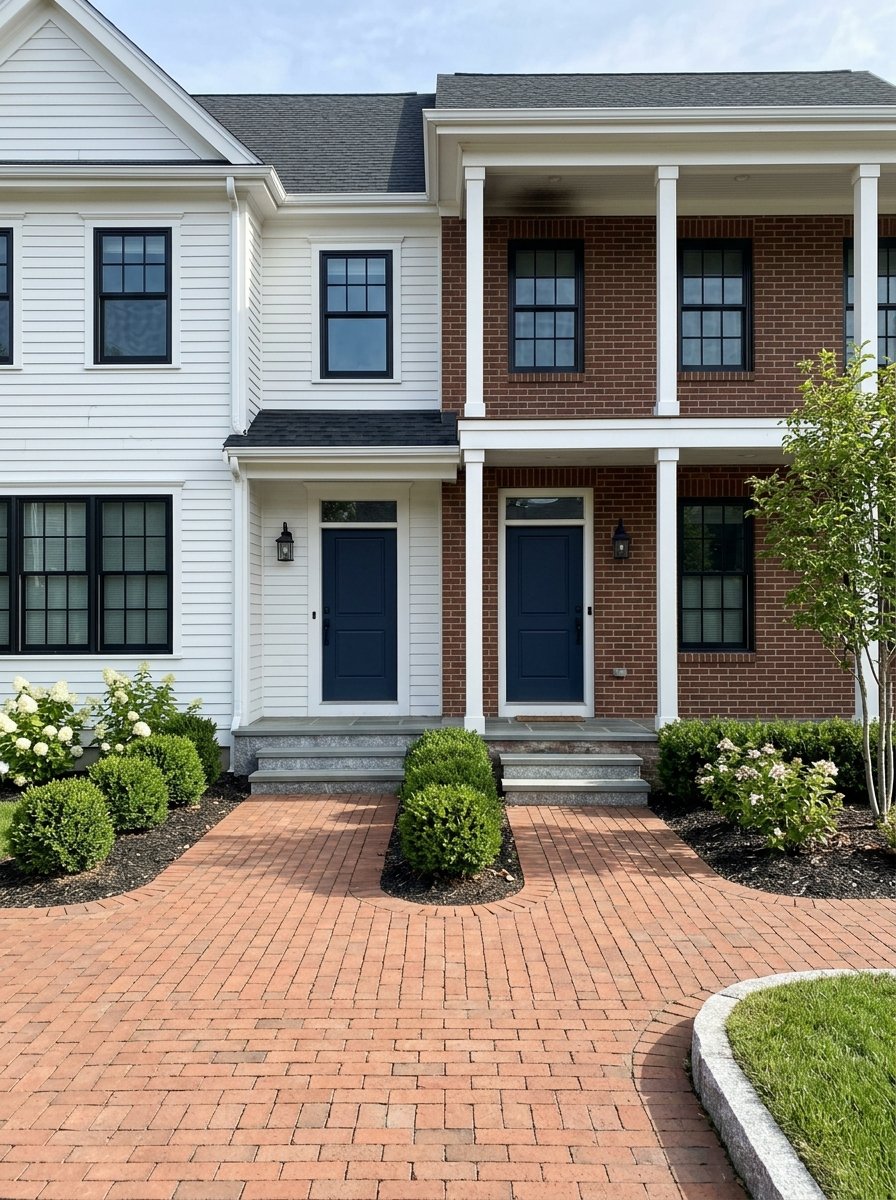
You are not just buying a house in Concord. You are stepping into a story that stretches from the Revolution to New England’s literary golden age. If the charm of original beams, hand-laid brick, and tree-lined streets speaks to you, a historic home can be deeply rewarding. This guide shows you the upside, the tradeoffs, and the exact steps to buy with confidence in Concord. Let’s dive in.
Why Concord’s historic homes stand out
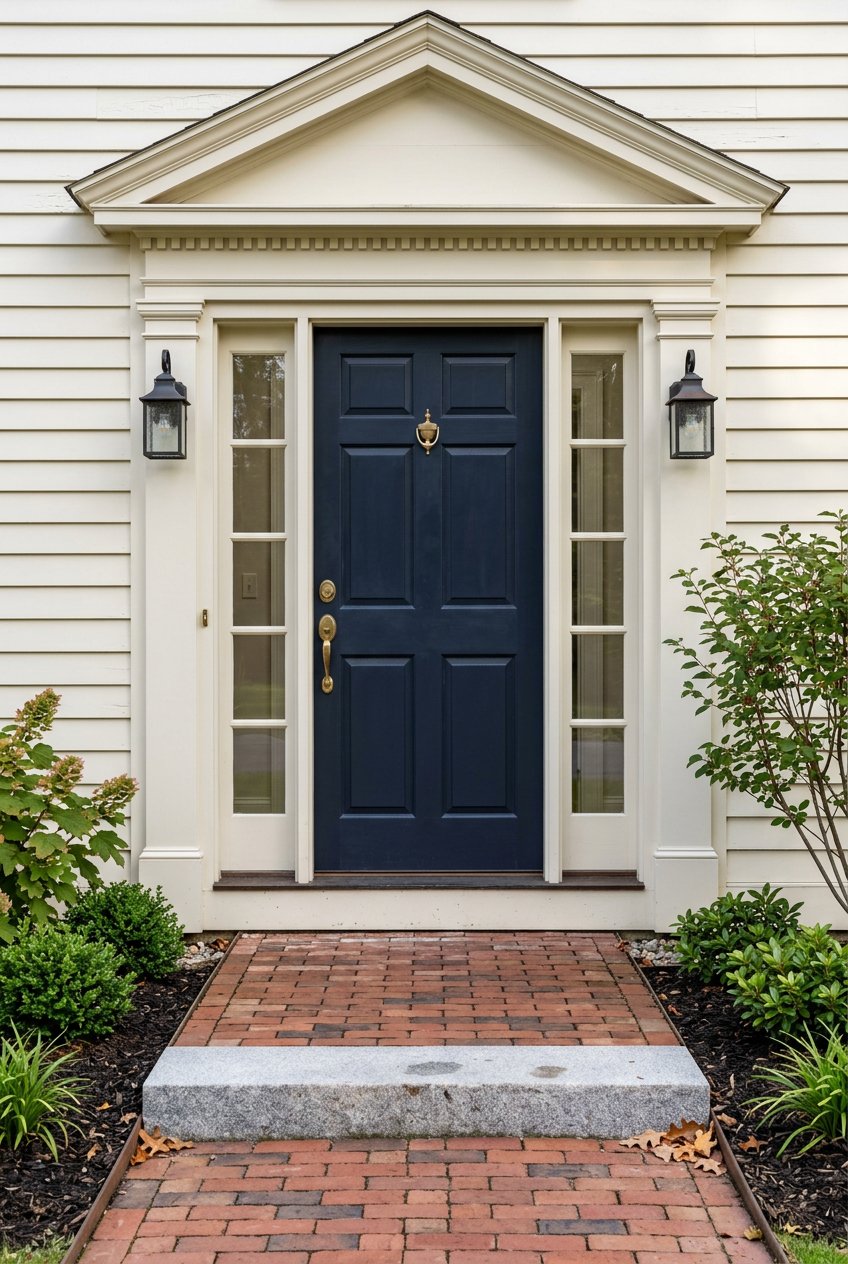
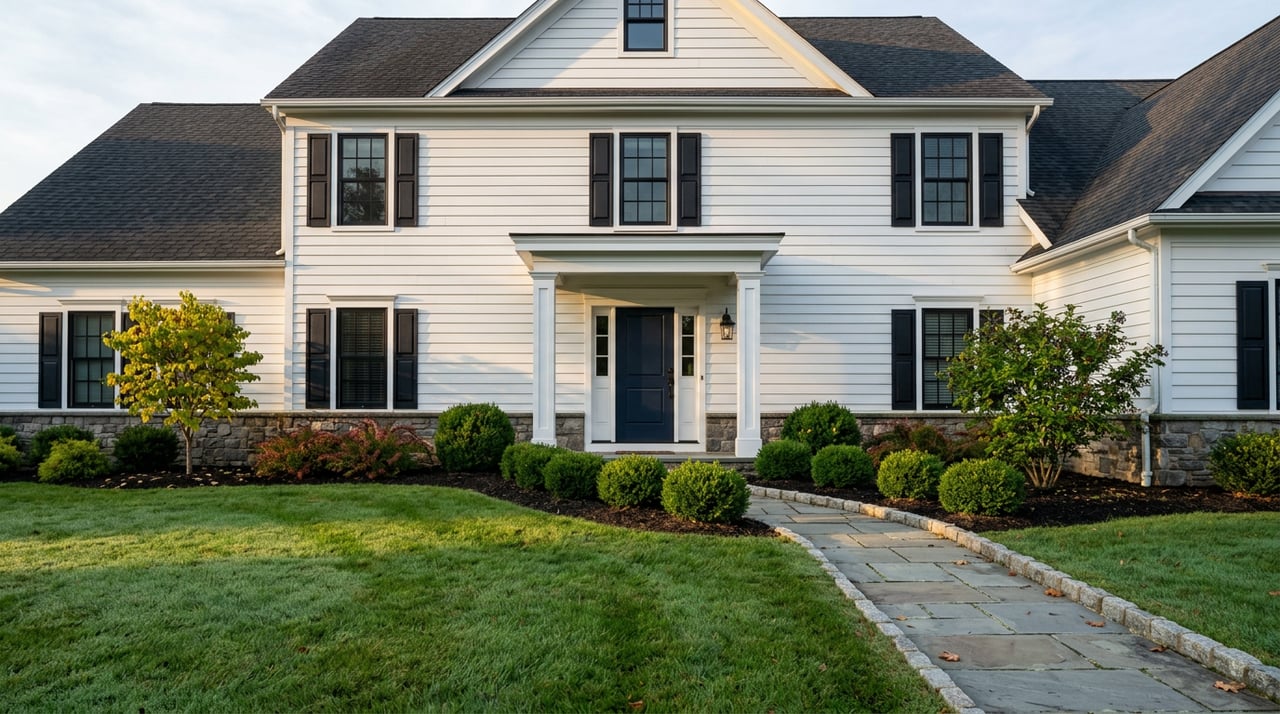
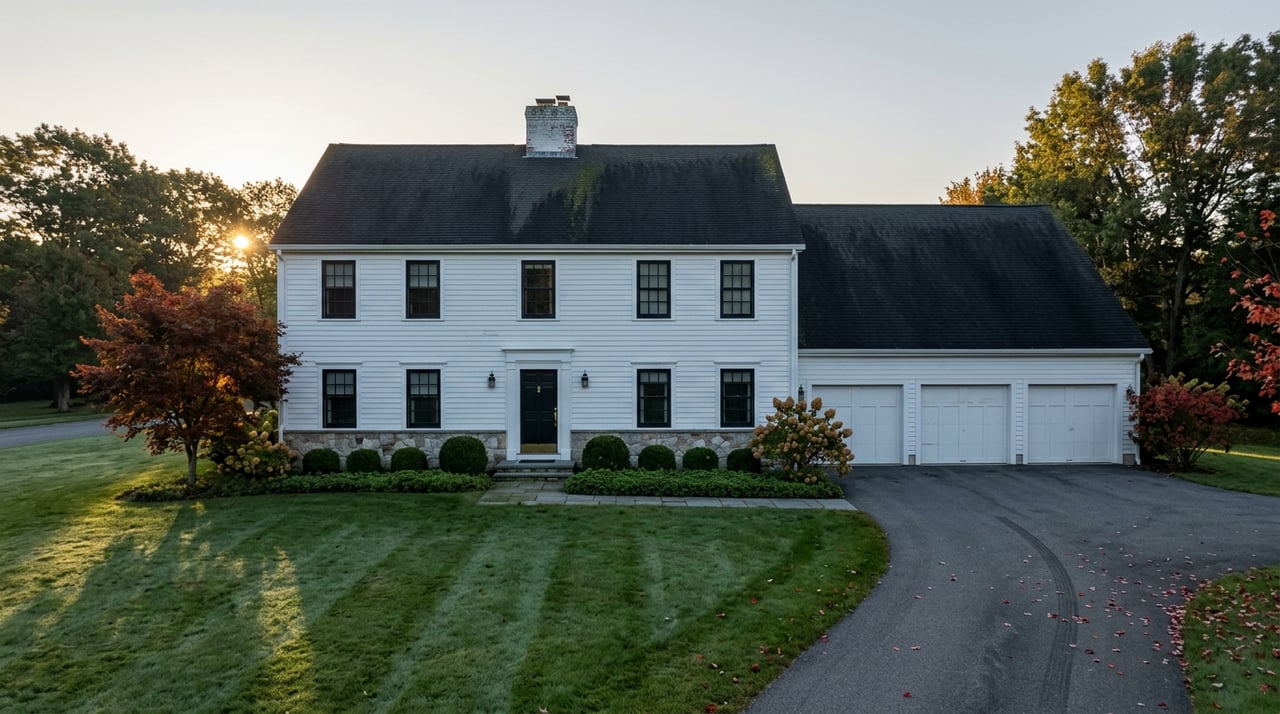
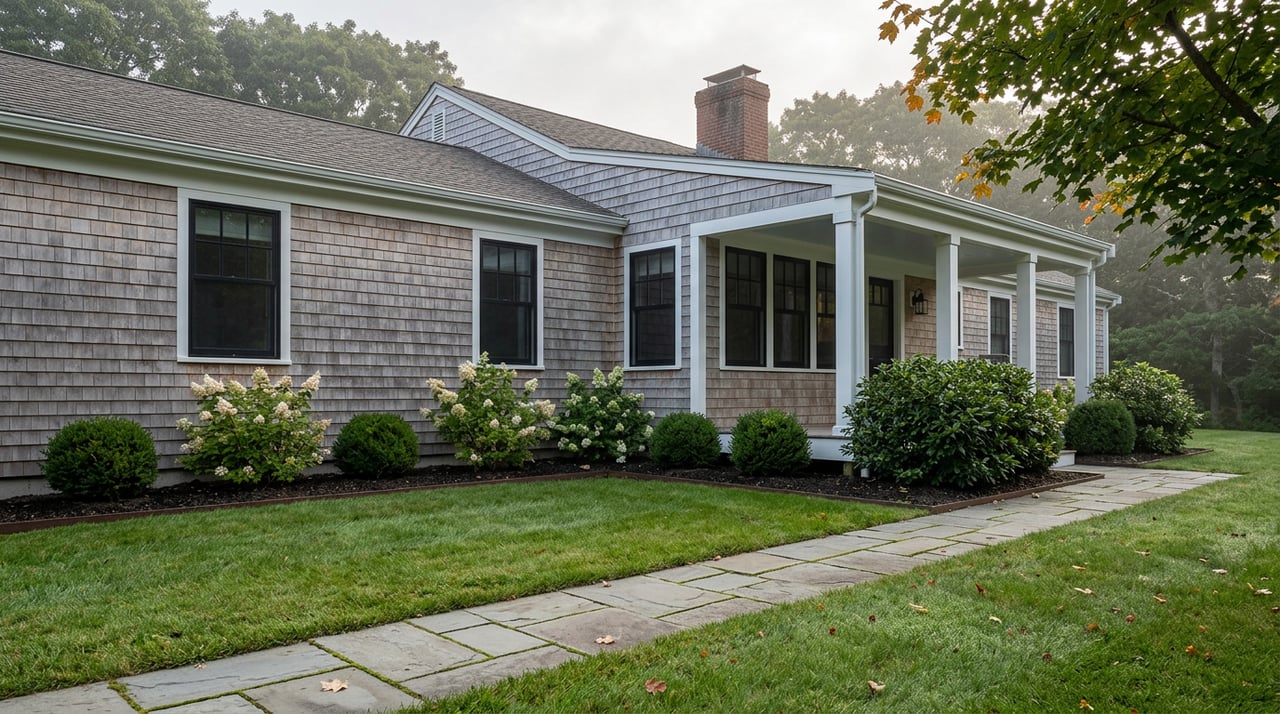
Concord’s architecture ranges from Colonial and Federal to Greek Revival, Victorian, and Colonial Revival. That span matters because age predicts likely systems, materials, and maintenance. Start by pinpointing the home’s era so you can plan inspections and upgrades accordingly.
The town actively protects its heritage. Concord maintains six local historic districts that steward neighborhood character and guide exterior changes through design review. You can learn how the districts work in the town’s preservation plan, KEEPING CONCORD: 2025 Historic Preservation Plan, which also outlines priorities and tools for protection. Review the plan to understand the big picture of local preservation policy in Concord. Town preservation plan and districts
Prices in Concord are typically high for the region, which means maintenance and capital projects often carry higher absolute costs. A clear plan for inspections, reserves, and timelines will help you land the right house and protect your budget.
Rewards of buying historic in Concord
- Sense of place and provenance that newer construction cannot replicate.
- Craftsmanship, materials, and details with lasting appeal.
- Stable neighborhood character protected by local design review.
- Strong niche demand from buyers who value history, which can support resale.
Risks and realities to plan for
- Higher ongoing maintenance and capital needs due to age and materials.
- Exterior changes visible from public ways in local historic districts require a Certificate of Appropriateness from the Historic Districts Commission before permits are issued. Plan for drawings, materials, and public hearings. HDC Design Guidelines
- Window decisions are a major cost tradeoff. Concord’s guidelines strongly favor repair and storm windows over wholesale replacement, especially on primary facades. Window guidance in HDC guidelines
- Environmental hazards like lead paint and asbestos can add cost and require licensed contractors and notifications. See radon and asbestos resources in the inspection section below.
- Significant alterations may trigger code updates in affected areas. Expect a building official to review scope and apply the state building code for existing structures.
Know the rules before you offer
Check district status and restrictions
- Confirm whether the property sits in a local historic district and what exterior changes have been approved. Ask the seller for any prior Certificates of Appropriateness and for any recorded preservation restrictions that run with the title. HDC Design Guidelines and process
- The town’s preservation plan also explains Concord’s preservation tools and priorities, which helps you anticipate review factors. Town preservation plan
Demolition review and timing
- For older buildings, Concord’s Demolition Review Bylaw can trigger a public review and a possible delay if total demolition is proposed. This does not always block demolition, but it does add time and process you should factor into contingencies. Demolition Review Bylaw
Grants and incentives
- Concord allocates Community Preservation Act funds to historic resources, which can be a potential source for eligible preservation work. It is not an automatic rebate, but owners can explore grant cycles for qualifying projects. Community Preservation Committee
- Federal and Massachusetts historic rehabilitation tax credits generally apply to income-producing properties, not typical owner-occupied single-family homes. If part of the property will be income-producing, consult program guidance early. MA Historic Tax Credits overview
Inspection game plan for Concord antiques
A standard home inspection is essential, but it is not enough for many period homes. Add targeted tests that address age-related risks and local requirements so you know what you are buying.
Your core inspection list
- General home inspection to review visible structure, roof, HVAC, plumbing, and electrical.
- Structural engineer evaluation if you see sagging floors, foundation movement, or if your inspector flags concerns.
- Wood-destroying insect inspection, especially in timber-frame houses.
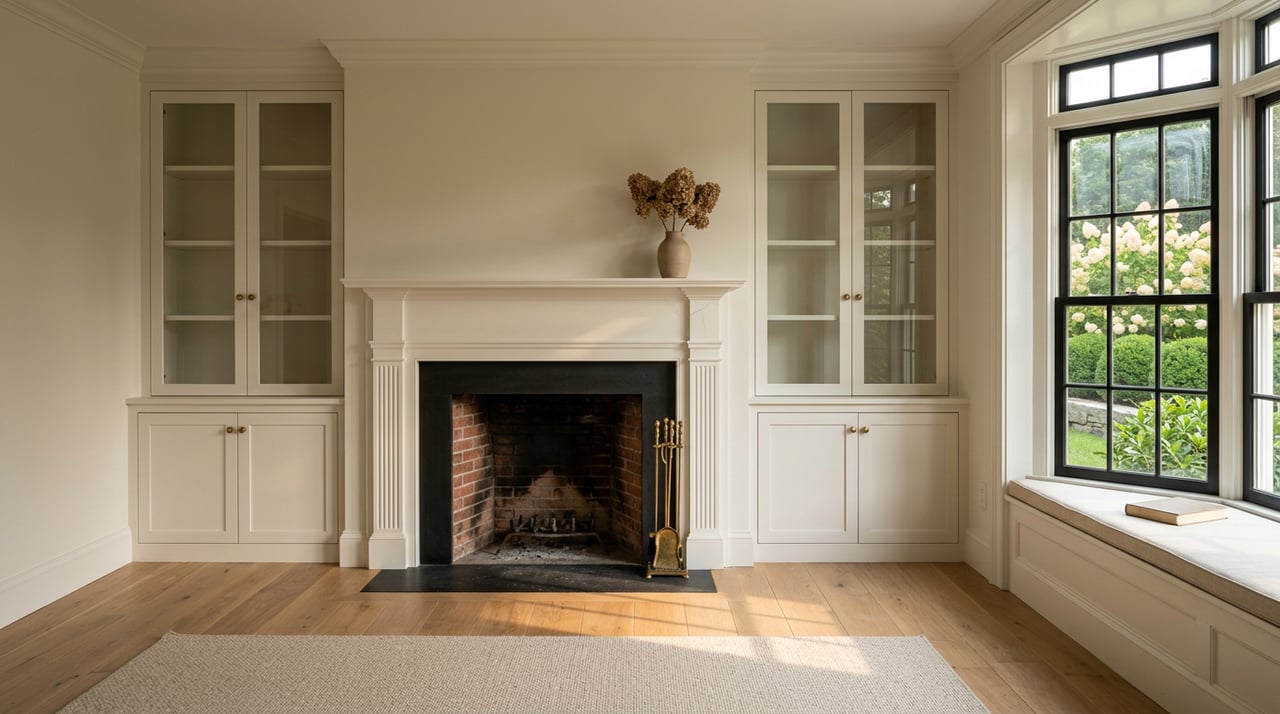
- Level II chimney inspection by a certified sweep if you will use the fireplace or flues.
- Hazardous materials screening: lead paint testing for pre-1978 finishes and asbestos sampling for suspect materials before demolition or major work. Massachusetts requires licensed abatement and notifications for asbestos. MassDEP asbestos guidance
- Electrical assessment to identify knob-and-tube or ungrounded wiring and to confirm service capacity.
- Plumbing and utility review, including checks for galvanized pipes, venting on older boilers, and presence of any buried oil tanks.
- Title 5 septic inspection if the home is on a private system, plus any required well and water-quality tests. Concord Title 5 and well info
- Radon test of the lowest potential living level. Mitigation is straightforward if levels exceed EPA guidance. EPA radon resources
Timing tips
- Schedule core inspections within your standard inspection contingency. Specialized lab tests for lead, asbestos, or water quality can add several days to a week.
- If structural concerns arise, plan extra time for a written engineer’s report. Lenders sometimes request these for older homes.
- Get contractor walkthroughs for any large near-term projects so you can refine budgets before you finalize terms.
Windows, energy, and solar the right way
Original windows add character, but they can be drafty. Concord’s guidelines favor repair with interior or exterior storms over full replacement, especially on street-facing elevations. When replacement is justified, expect wood windows and historically appropriate profiles to be required. HDC window guidance
If you are planning solar, the HDC accepts panels when placed parallel to the roof plane and as inconspicuously as possible, ideally not visible from public ways. Bring manufacturer specs and visual simulations to support your application. Solar and energy guidance
Budgeting and financing
Set a realistic reserve
Older homes reward steady care. A simple planning rule is to reserve around 1 percent of the home’s value annually for routine upkeep, and to hold a separate capital fund for larger projects like roofs, exterior painting, and system upgrades. Because Concord prices are higher, set aside enough to cover those items on the timeline your inspector outlines.
Funding renovations
If you plan to renovate soon after purchase, renovation mortgages can combine the purchase and improvements into one loan. Two common options are FHA 203(k) and Fannie Mae’s HomeStyle Renovation. Each program has specific documentation, contractor, and loan-to-value rules, so speak with a lender who knows rehab loans early in your search. FHA 203(k) overview | HomeStyle Renovation fact sheet
Resale considerations in Concord
Historic homes often draw buyers who value character, which can help support pricing when you sell. Document improvements, maintain exterior integrity, and keep records of HDC approvals to build confidence with future buyers. If you plan major changes, consider how they affect the home’s historic features and marketability in Concord’s niche.
Quick checklist before you write an offer
- Identify the home’s era and major systems by age and type.
- Confirm whether the property is in a local historic district and request prior Certificates of Appropriateness and any recorded preservation restrictions. HDC guidelines and process
- Add inspections beyond the general home inspection: structural (if flagged), Title 5 if septic, radon, lead testing for pre-1978, and asbestos screening if demolition or major work is planned. Title 5 and wells | EPA radon | Asbestos guidance
- If you will renovate, talk to a lender about FHA 203(k) or HomeStyle Renovation and line up contractors who are familiar with HDC processes. HomeStyle fact sheet
- If you are considering preservation work that might qualify for public funding, review Concord’s CPC timeline and eligibility. Community Preservation Committee
Ready to explore Concord’s historic homes with a clear plan? Reach out to Colleen Murphy for thoughtful guidance on inspections, budgeting, and navigating Concord’s review process so you can buy with confidence.
FAQs
What is a local historic district in Concord and how does it affect renovations?
- A local historic district is an area where exterior work visible from public ways requires HDC approval through a Certificate of Appropriateness before permits are issued. HDC guidelines
Can you replace original windows in a Concord historic home?
- Yes, when justified, but Concord prefers repair with storms first; if replacement is approved, you will likely need wood windows and historically appropriate details. Window guidance
What inspections are most important for a pre-1900 Concord home?
- A full home inspection plus structural engineer review if flagged, WDI inspection, chimney evaluation, lead and asbestos screening, Title 5 if septic, well testing if applicable, and a radon test. Title 5 info | EPA radon
Do federal or state historic tax credits help owner-occupied houses in Massachusetts?
- Generally no; the federal and state historic rehabilitation credits are designed for income-producing properties, not typical owner-occupied single-family homes. MA Historic Tax Credits
How do renovation loans work for historic homes in Concord?
- FHA 203(k) and Fannie Mae HomeStyle can combine purchase and renovation into one loan, subject to program rules, contractor requirements, and lender approval. FHA 203(k) overview | HomeStyle fact sheet
How long should you budget for HDC approvals after closing in Concord?
- Simple applications can be quick, but plan for preparation time plus public hearings; more visible or complex projects may take several weeks to secure approvals. HDC process